
Tuna Noodle Casserole (Easy, Creamy & Made From Scratch)
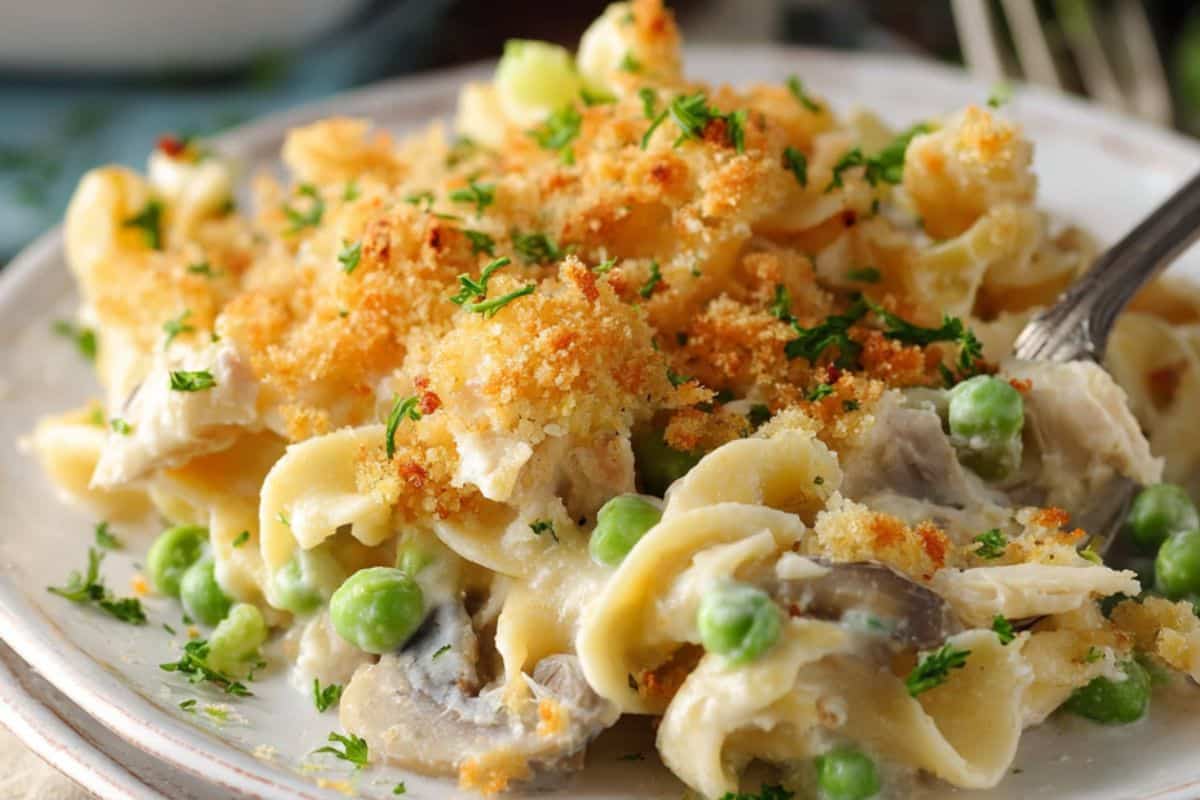
This Tuna noodle casserole is creamy, cheesy, and comforting. The noodles are tender, the sauce is rich but not heavy, and the golden, crispy breadcrumb topping makes each bite worth it. It feels like a warm hug.
The best part? You probably have everything you need to make it.
This recipe uses a simple cream sauce made from scratch instead of canned soup. It may sound like extra work, but it takes about five minutes and really improves the flavor. The sauce is smooth, well-seasoned, and tastes like something. Once you try it this way, the canned soup version won’t seem appealing anymore.
This casserole is ready in about 45 minutes, from start to finish. It easily feeds six people, reheats well, and is perfect for both a Tuesday night dinner and a potluck or family gathering.
If you’ve always thought of tuna casserole as bland or boring, this recipe will change your mind. Good seasoning, real cheese, and a proper sauce are all it takes to turn a simple pantry dinner into something everyone at the table wants seconds of.
Can’t get enough of this easy pasta casserole? Try easy Baked Ziti Recipe that’s just as filling.

Why You’ll Love This Recipe
- It’s a true pantry meal. Canned tuna, egg noodles, frozen peas, and a few basics are all you need.
- It comes together in about 45 minutes. The pasta takes less than 10 minutes to make. The oven does the rest of the work.
- It’s incredibly budget-friendly. A full pan that feeds six people costs just a few dollars.
- The whole family will loves. Creamy, cheesy, and mild in flavor; this is the kind of meal even picky eaters clean their plates for.
- It’s easy to customize. Swap the vegetables, change the tuna to ground beef, or adjust the toppings based on what you have. The recipe is very forgiving.
- Leftovers are just as good. This casserole reheats really well making it perfect for meal prep or next-day lunches.
You can also make it ahead. Assemble the whole thing the night before and just pop it in the oven when you’re ready. It’s a great option for busy weeknights or when you’re hosting. - It freezes beautifully. Make a double batch and freeze one for later. Future you will be very grateful.

Ingredient Notes
You don’t need anything fancy . These are simple, everyday ingredients and a few small choices can make a real difference in the final dish.
- The Noodles – Wide or medium egg noodles are the classic choice for good reason. They’re sturdy, hold up well in the oven, and absorb the sauce without turning mushy. Cook them just to al dente; slightly underdone is actually perfect. They’ll finish cooking in the oven and soak up all that creamy sauce as they bake.
Substitutions: Rotini, penne, elbow macaroni, or any short pasta work well. - The Tuna – Use canned tuna in water, not oil. Drain it really well; I usually press it with a paper towel to get out as much liquid as possible. Extra moisture is the number one reason casseroles turn out watery. Chunk light tuna has a stronger, more pronounced flavor. Albacore is milder and has a meatier texture. Both work great; it just comes down to personal preference.
- The Cream Sauce – This is where the from-scratch version really earns its place. Substitutions: Half-and-half works in place of whole milk for an even richer sauce. Low-fat milk works too, but gives a slightly thinner result. Vegetable broth is a fine swap for chicken broth. Shortcut option: Replace the roux, milk, and broth with two cans of cream of mushroom soup thinned with half a cup of milk. It’s quicker and still tastes good; just a little saltier and less fresh-tasting than the scratch version.
- Frozen peas are the classic addition and my personal favorite. They need zero prep, add a pop of color, and their mild sweetness balances the savory sauce perfectly. Add them straight from frozen; no need to thaw.
- Mushrooms are worth adding if you have them. Sauté them first so they release their moisture and develop a little flavor before going into the casserole.
- Celery and onion build the flavor base of the whole dish. Don’t skip these; they make the casserole taste like it has real depth rather than just tuna and noodles.
- The Cheese – Sharp cheddar is my go-to. It melts smoothly into the sauce and adds a bold, savory flavor that mild cheeses can’t match. The most important tip here: grate your own cheese from a block. Pre-shredded cheese is coated in starches that prevent it from melting properly. Substitutions: Gruyère adds a slightly nuttier, more complex flavor if you want to dress it up. Monterey Jack melts beautifully and gives a milder result. A mix of cheddar and mozzarella works great too.
- The Topping – A simple mix of breadcrumbs and melted butter bakes into a golden, crunchy topping that contrasts perfectly with the creamy filling underneath. Panko breadcrumbs give the best crunch; they’re lighter and crispier than regular breadcrumbs and stay crunchy longer.

How to Make Tuna Noodle Casserole
This recipe comes together in a few simple steps: cook the noodles, make the sauce, combine everything, and bake. It’s not complicated, I promise.

Step 1: Cook the Noodles
Bring a large pot of salted water to a boil.

Step 2: Cook your egg noodles
Cook your egg noodles for **2 minutes less** than the package instructions indicate. You want them slightly underdone, firm with a little bite in the center. Drain them well and set aside. Don’t rinse them. The starch on the noodles helps the sauce stick better.
Step 3: Sauté the Vegetables
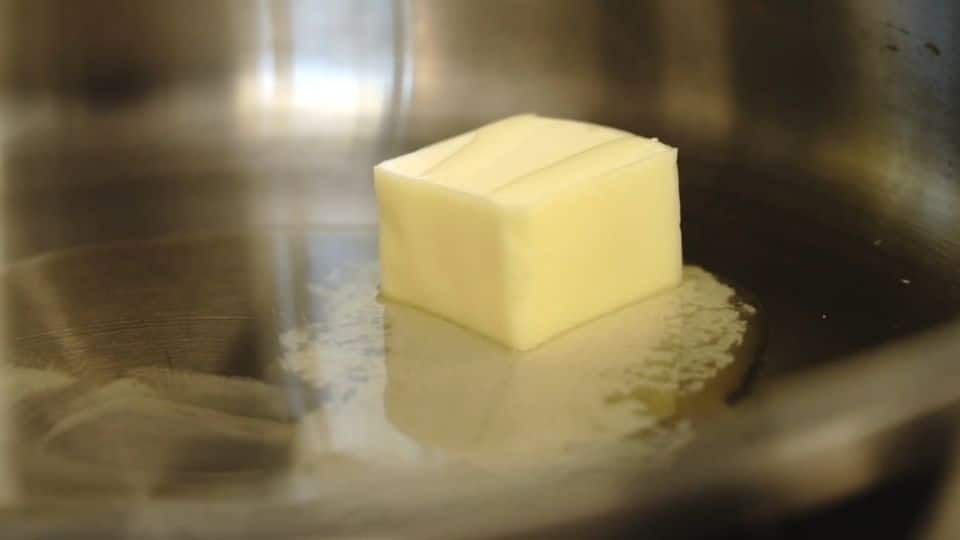
While the noodles cook, melt butter in a large oven-safe skillet or saucepan over medium heat.

Step 4: Add the diced onion and celery
Add the diced onion and celery. Cook for about 4-5 minutes until they soften and turn translucent.

Step 5: Add the mushrooms
Add the mushrooms and cook for another **3-4 minutes** until they release their moisture and start to turn golden. This step adds a lot of flavor, so let it take its time.

Step 6: Make the Cream Sauce
Add the flour directly to the vegetable mixture and stir constantly for **1-2 minutes**. The flour will coat everything, making the mixture thick and paste-like. That’s what you want. This will eliminate the raw flour taste.

Step 7: Now slowly pour in the milk
A little at a time, whisking constantly. Adding it gradually helps prevent lumps from forming.

Step 8: Season with freshly cracked black pepper
Season with salt, pepper, and a bit of garlic powder during this step. Layering your seasoning makes a big difference in the final taste.

Step 9: Add in Dijon mustard
Add in dijon mustard and continue whisking until well incorporated.

Step 10: Add the chicken broth
Add IN the chicken broth and continuing to whisk until everything is mixed together.
Step 11: Cook the sauce
Raise the heat slightly and cook the sauce for 3-4 minutes**, stirring often, until it thickens enough to coat the back of a spoon. It should look smooth, creamy, and glossy.
Remove the pan from the heat before adding the cheese. This is crucial; if the sauce is too hot when you add the cheese, it can become grainy. Stir in the shredded cheddar off the heat and watch it melt beautifully into the sauce.
This is your last easy chance to add more salt, pepper, or garlic before everything goes into the baking dish.

Step 12: Drain the tuna
Do not stick this process. You have to fully drain your tuna to avoid a watery casserole.
Step 13: Combine everything
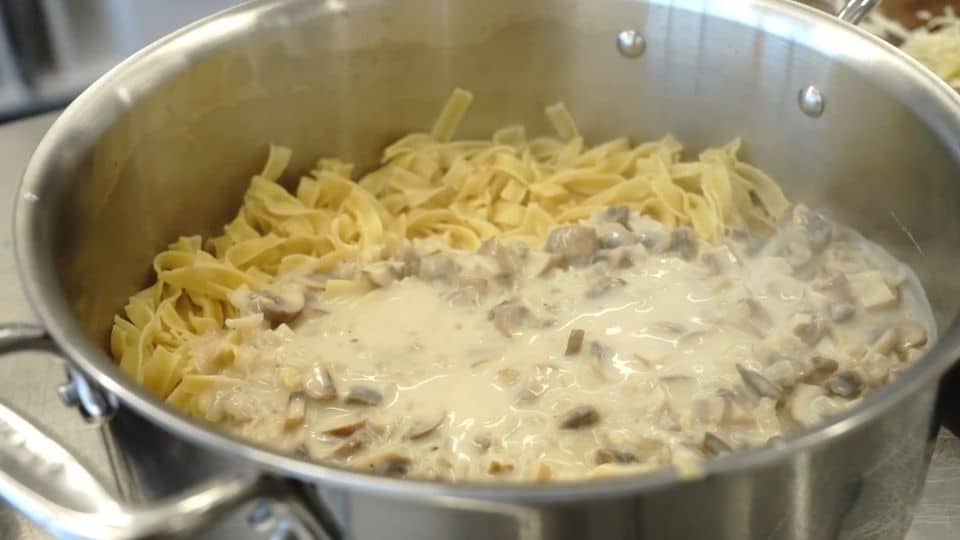
Pasta noodles should be al-dente, drain and leave it in the pan. Add the creamy sauce to the pasta.

Step 14: Add the drained tuna
Add the drained tuna, and frozen peas directly into the pasta and sauce. Stir gently until everything is evenly coated and well mixed. Everything should be well incorporated.

Step 15: Transfer the mixture to baking dish
If you’re using an oven-safe skillet, you can bake it right in there. Otherwise, transfer the mixture to a greased **9×13 inch casserole dish. Spread it out into an even layer.

Step 16: Mix the Crunchy Cheesy Topping
In a bowl mix together panko breadcrumbs, melted butter/oil, paprika, and salt. Mix together until every crumb is coated. For extra flavor, stir in a little garlic powder or grated parmesan into the breadcrumb mixture before adding it on top. It’s a small addition that really improves the topping’s taste.

Step 17: Top with Cheese
Spread cheese evenly over the top of the casserole in a single layer.

Step 18: Add the Topping
Spread the mixture evenly over the top of the casserole in a single layer.

Step 19: Bake
Bake at **375°F (190°C)** for 25-30 minutes until the sauce bubbles around the edges and the topping is a deep golden brown. If the breadcrumbs start browning too quickly before the casserole is heated through, loosely cover it with a piece of foil and remove it for the last 10 minutes of baking.

Step 20: Let the casserole rest
Let the casserole rest for **5 minutes** before serving. I know waiting is tough, but this resting time helps the sauce firm up slightly, so it scoops cleanly instead of running all over the plate.

Step 21: Garnish with fresh parsley and enjoy
Once cooled, garnish the casserole with fresh parsley

Step 22: Serve and enjoy
Dig in, serve and enjoy!!

Recipe Success Tips
These small things can make a real difference between a good tuna noodle casserole and a great one.
- Undercook the noodles on purpose.
Pull them out of the water 2 minutes before the package says they are done. They finish cooking in the oven and soak up the sauce as they bake. Fully cooked noodles that go into a hot oven will come out soft and mushy every time. - Drain the tuna well. This is the number one cause of a watery casserole. Open the cans, drain them thoroughly, and press the tuna firmly with a paper towel to squeeze out any remaining liquid. It takes just 30 extra seconds and makes a big difference.
- Grate your own cheese. I know pre-shredded cheese is convenient, but the coating on packaged cheese stops it from melting smoothly. Freshly grated cheddar melts into the sauce in seconds and gives you that silky, creamy texture you’re after. It’s worth the extra two minutes.
- Season at every stage. Tuna casserole has a reputation for being bland, and that reputation often comes from under-seasoning. Season the vegetables as they sauté. Taste the sauce before adding the noodles. Adjust again before it goes in the oven. Proper seasoning is what makes this dish taste special instead of forgettable.
- Add the cheese off the heat. Once your sauce is thick and creamy, pull the pan off the burner before stirring in the cheese. A sauce that’s too hot can turn grainy and greasy when the cheese goes in. Off the heat, it melts in smoothly every time.
- Use panko for the topping. Regular breadcrumbs work, but panko breadcrumbs stay noticeably crunchier throughout baking. That contrast between the crispy top and the creamy filling underneath is one of the best parts of this dish — panko gives you the best version of it.
- Let it rest before serving. Five minutes out of the oven makes a real difference. The sauce firms up slightly as it cools, resulting in clean scoops instead of a soupy mess on the plate. It also means nobody burns their mouth, which is always a win.
Variations and Ingredient Swaps
One of the best things about tuna noodle casserole is its flexibility. Once you know the basic recipe, it’s easy to personalize it. Here are some of my favorite ways to change it up.
- Use the Canned Soup Shortcut
Not in the mood to make a sauce from scratch? No problem. Replace the roux, milk, and broth with two cans of cream of mushroom soup mixed with half a cup of milk. - Swap the Protein
Tuna is classic, but this casserole works beautifully with other proteins too.
– Rotisserie chicken: shred it and use it instead of tuna for a heartier, crowd-pleasing version.
– Canned salmon: has a similar texture to tuna with a slightly richer flavor.
– Crab meat: feels a little more special, great for when you want to dress it up without much extra effort.
– White beans or chickpeas: a great vegetarian option that adds protein and a creamy texture.
- Make It Spicy
The base recipe is intentionally mild, but it’s easy to add some heat.
– Stir red pepper flakes into the sauce while it cooks.
– Add a few dashes of hot sauce; Frank’s RedHot works really well here.
– Mix in diced jalapeños with the vegetables for gentle, even heat throughout.
- Make It Gluten-Free
This is one of the easier casseroles to adapt for a gluten-free diet.
– Swap the egg noodles for your favorite gluten-free pasta.
– Replace the flour in the roux with cornstarch; use half the amount since cornstarch is a stronger thickener.
– Use gluten-free panko for the topping; it crisps up just as well as the regular kind.
- Make It Extra Cheesy
If you’re cooking for serious cheese lovers, double the cheese in the sauce and add a layer of shredded cheddar directly on top of the filling before the breadcrumbs go on. This creates a melty, gooey cheese layer under the crispy topping that is very hard to resist.

What to Serve With Tuna Noodle Casserole
Tuna noodle casserole is a complete, filling meal on its own. However, a good side dish can make it even better. Since the casserole is rich and creamy, the best pairings are fresh, light, or crunchy items to balance it out.
Here are my favorite things to serve alongside it.
- Simple Green Salad – A crisp green salad with a sharp vinaigrette cuts through the richness of the casserole and keeps the meal balanced.
- Roasted Vegetables – A tray of roasted vegetables is an easy side that cooks in the oven alongside the casserole. Broccoli, asparagus, green beans, and Brussels sprouts all work beautifully.
- Garlic Bread or Dinner Rolls – For a heartier, more comfort-food style meal, serve it with garlic bread or soft dinner rolls. They’re perfect for scooping up the creamy sauce left on the plate and honestly, that might be the best part of the whole meal. This combination is especially popular with kids.
- Steamed or Sautéed Green Beans – Green beans are a classic pairing with tuna casserole for good reason. They’re simple, slightly crisp, and their mild flavor doesn’t compete with the casserole at all.
- Coleslaw – A cold, crunchy coleslaw is a great contrast to the warm, creamy casserole. The crunch and acidity of a good slaw cut through the richness in a satisfying way. A simple vinegar-based slaw works better here than a heavy mayo-based one.
Storage and Make-Ahead Instructions
Tuna noodle casserole is one of those dishes that actually gets better as it sits. The sauce thickens a bit and the flavors deepen overnight, which makes leftovers genuinely worth looking forward to.
- Storing Leftovers
Let the casserole cool completely before storing. Putting a hot casserole straight into the fridge traps steam and makes the topping go soggy faster. Transfer leftovers to an airtight container or cover the baking dish tightly with plastic wrap or foil. Store in the refrigerator for up to 3-4 days. The breadcrumb topping will soften in the fridge overnight, and that’s completely normal. It crisps back up beautifully when you reheat it properly. - How to Reheat
In the oven (best method): Spread the casserole in an oven-safe dish, cover loosely with foil, and reheat at 350°F (175°C) for about 20 minutes. Remove the foil for the last 5 minutes to crisp the topping back up. This method gives you the closest result to freshly baked.
In the microwave (quickest method):
Add a small splash of milk over the portion before microwaving. This loosens the sauce and prevents it from drying out. Heat in 60-second intervals, stirring between each one, until heated through. The topping won’t be crunchy this way, but it still tastes great. - Make-Ahead Instructions
This casserole is a fantastic make-ahead meal. You can assemble the entire dish up to 24 hours in advance and refrigerate it unbaked until you’re ready to cook. A few things to keep in mind: Hold the breadcrumb topping. Add it just before the casserole goes into the oven so it stays crispy instead of absorbing moisture from the filling overnight. Add extra baking time. A cold casserole straight from the fridge needs an extra 10-15 minutes in the oven to heat all the way through. Keep an eye on the topping and cover loosely with foil if it browns too quickly. This is a great option for entertaining. Do all the work the day before, then just pull it out of the fridge and bake while your guests arrive. - Freezer Instructions
Tuna noodle casserole freezes well, making it a good choice for batch cooking. A little planning now means a ready-made dinner waiting for you on a busy night.
To freeze before baking (recommended):
Assemble the casserole fully but leave off the breadcrumb topping. Cover the dish tightly with plastic wrap followed by foil. The double layer prevents freezer burn. Freeze for up to 2 months.
To bake from frozen:
Thaw the casserole overnight in the refrigerator. Add the breadcrumb topping just before baking and bake as directed, adding 10-15 minutes to the total bake time.
To freeze after baking:
This works too, though the noodles soften slightly after freezing and reheating. The flavor holds up really well; it just won’t have quite the same texture as a freshly baked casserole. Portion it into individual airtight containers for easy grab-and-reheat lunches.
Frequently Asked Questions
- Can I use canned cream of mushroom soup instead of making the sauce from scratch?
Absolutely. Replace the butter, flour, milk, and broth with two cans of cream of mushroom soup mixed with half a cup of milk. Stir until smooth and use it just like the sauce made from scratch. - Why did my casserole turn out watery?
There are three common reasons. First, the tuna wasn’t drained well enough. Always press it firmly with a paper towel to remove as much liquid as you can. Second, the noodles were fully cooked before baking. Overcooked noodles release starch and extra moisture in the oven, which makes the sauce thinner. Third, the cream sauce wasn’t thick enough before mixing in the noodles and tuna. It should coat the back of a spoon before adding those ingredients. Fix any one of these issues, and you’ll get a much better result. - Can I make this without egg noodles?
Yes, any short pasta works well here. Rotini, penne, elbow macaroni, and farfalle are all good choices. Just cook whatever pasta you use to al dente before adding it to the casserole. The bake time remains the same, no matter which pasta you pick. - Can I make tuna noodle casserole ahead of time?
Yes, and it works great as a make-ahead meal. Assemble the entire casserole up to 24 hours in advance and refrigerate it, unbaked and covered. Wait to add the breadcrumb topping until just before it goes in the oven. This helps keep it crispy instead of soggy. If it goes straight from the fridge to the oven, add an extra 10-15 minutes to the bake time. - What’s the best type of tuna to use?
Both chunk light and albacore work well; it really comes down to personal preference. Chunk light tuna has a stronger flavor and tends to break into smaller flakes. Albacore is milder, firmer, and has a meatier texture that some people like. Either way, make sure to use tuna packed in water, not oil, and drain it thoroughly before adding it to the casserole. - Can I make this recipe gluten-free?
Yes, with a couple of easy swaps. Use your favorite gluten-free short pasta instead of egg noodles. Replace the all-purpose flour in the roux with cornstarch, using half the amount since cornstarch thickens more effectively than flour. Swap the panko breadcrumbs for gluten-free panko, which crisps up just as well as the regular kind. Everything else in the recipe remains the same. - How do I know when the casserole is done baking?
Look for two signs: the sauce should be bubbling around the edges of the dish, and the breadcrumb topping should be a deep golden brown across the top. If the topping is browning faster than the casserole is heating through, cover it loosely with foil and remove it for the last 10 minutes. A casserole that bubbles at the edges is fully heated every time.
Tuna Noodle Casserole (Easy, Creamy & Made From Scratch)
Ingredients
Method
- Bring a large pot of salted water to a boil.
- Cook your egg noodles for **2 minutes less** than the package instructions indicate
- While the noodles cook, melt butter in a large oven-safe skillet or saucepan over medium heat.
- Add the diced onion. Cook for about 4-5 minutes until they soften and turn translucent.
- Add the mushrooms and cook for another 3-4 minutes until they release their moisture and start to turn golden
- Add the flour directly to the vegetable mixture and stir constantly for 1-2 minutes
- Now slowly pour in the milk, a little at a time, whisking constantly
- Season with freshly cracked black pepper and Dijoin mustard and whisk until well incorporated.
- Add in the chicken broth and continuing to whisk until everything is mixed together.
- Remove the pan from the heat before adding the cheese. Stir in the shredded cheddar off the heat and watch it melt beautifully into the sauce.
- Drain the tuna over a sieve
- Pasta noodles should are done and al-dente, drain and leave it in the pan.
- Add the creamy sauce to the pasta.
- Add the drained tuna, and frozen peas directly into the pasta and sauce
- Stir gently until everything is evenly coated and well mixed. Everything should be well incorporated.
- Transfer the mixture to baking dish
- In a bowl mix together panko breadcrumbs, melted butter/oil, paprika, and salt. Mix together until every crumb is coated.
- Spread cheese evenly over the top of the casserole in a single layer.
- Spread the panko mixture evenly over the top of the casserole in a single layer.
- Bake at **375°F (190°C) for 25-30 minutes until the sauce bubbles around the edges and the topping is a deep golden brown
- Once baked, let the casserole rest for 5 minutes before serving
- Garnish with fresh parsley and enjoy
Check out this other casserole recipes
- The Best Baked Ziti. Cheesy, hearty, and comes together with simple, affordable ingredients.
- Best Southern Baked Mac and Cheese Recipe. Its a classic centerpiece for your Sunday dinner, a family gathering or a holiday spread.
- How To Make crockpot mac and cheese recipe. There’s something almost magical about opening a crockpot lid to find a bubbling, golden pool of cheesy pasta waiting for you.
- Macaroni salad recipe. I love this recipe because it works for almost any occasion. Serve it at a backyard BBQ, a potluck, or a lazy weeknight dinner with grilled chicken
- Easy Shepherd’s Pie Recipe Made From Scratch. This shepherd’s pie is one of those recipes I keep coming back to, especially when it gets cold and I need something warm and filling on the table quickly.
- Easy Cheesy Tater Tot Casserole with Ground Beef. Made with ground beef, this caaserole is filling, cheesy, and easy to make. You get crispy golden tots on top and a savory, creamy beef filling underneath, all held together by melted cheese.