
Classic Easy Cabbage Rolls Better Than You’d Expect
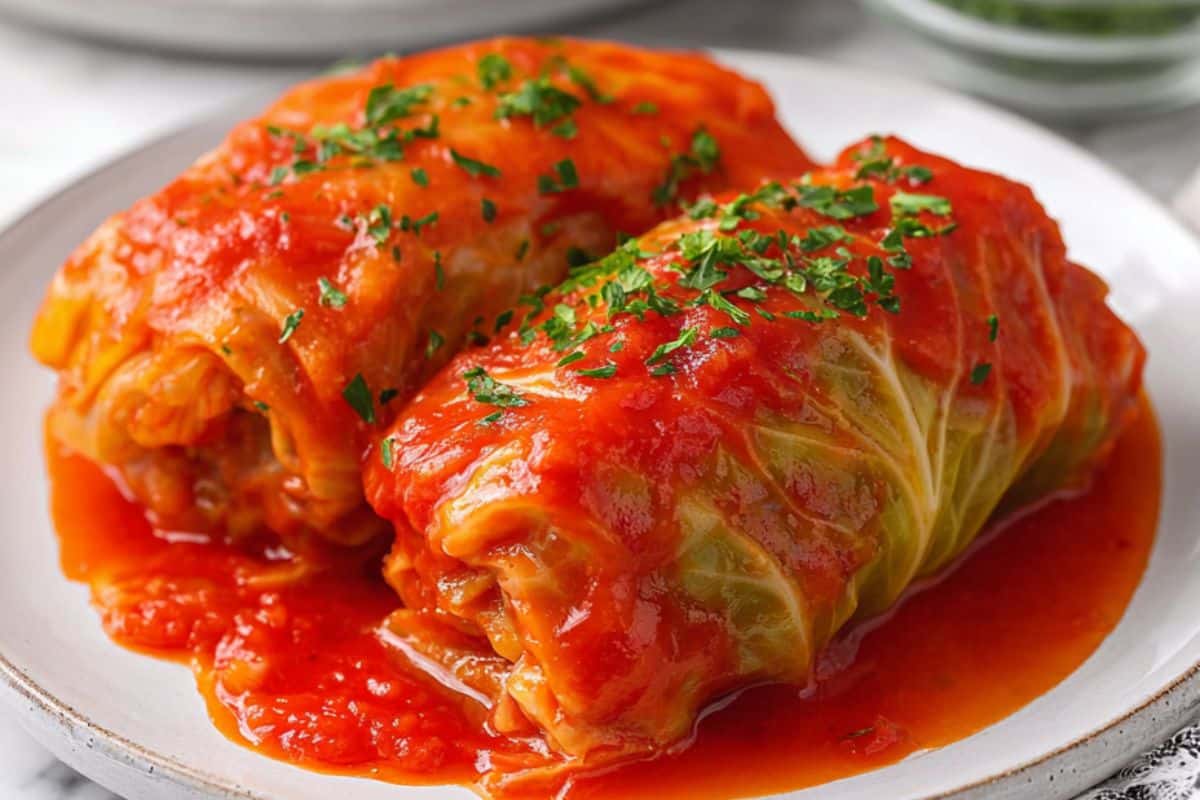
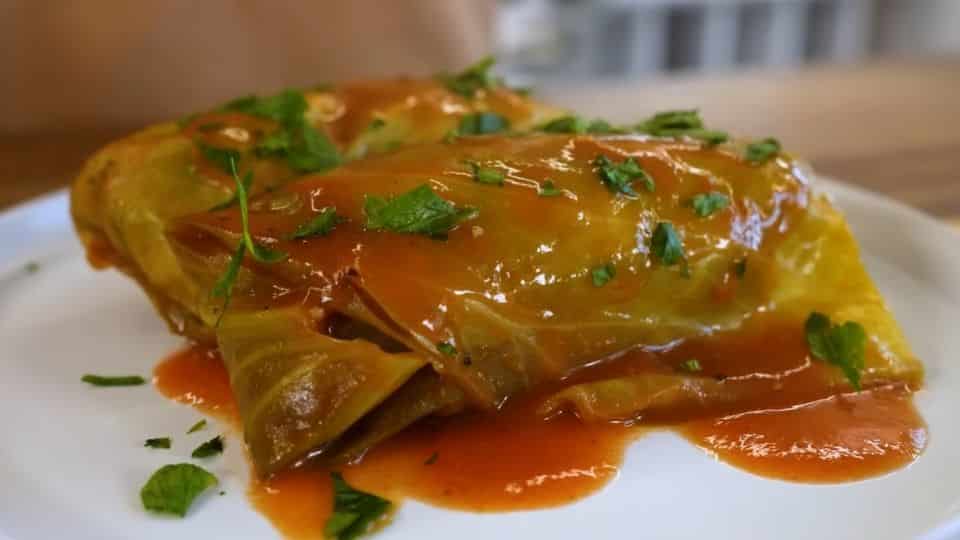
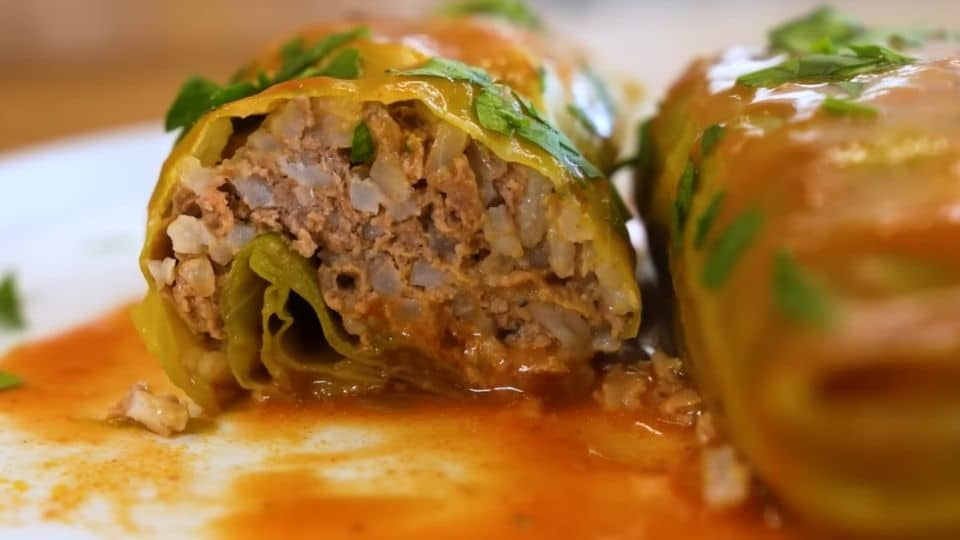
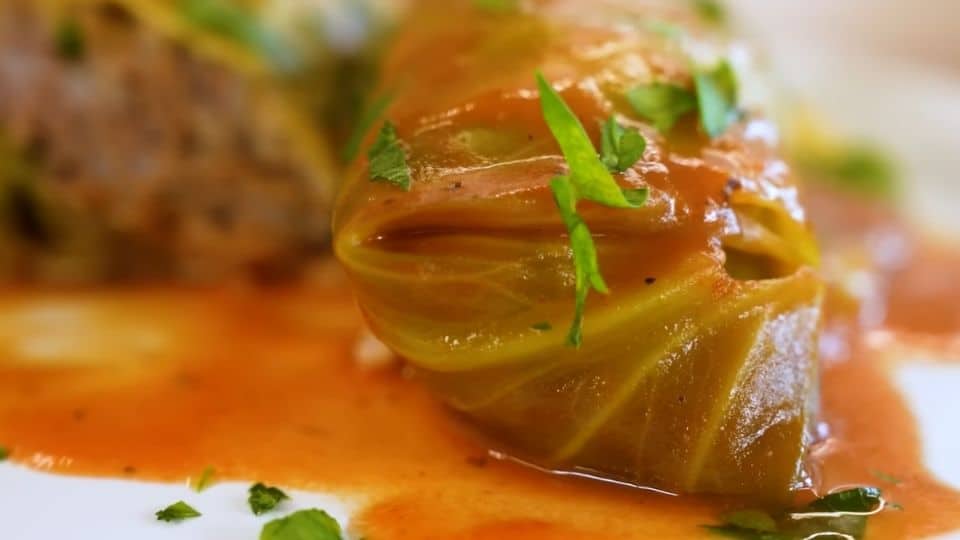
These Cabbage rolls fill your kitchen with a delicious aroma. It’s one of those recipes that will have everyone asking what’s for dinner. In the end, you have tender cabbage leaves wrapped around juicy, well-seasoned ground beef and rice, all simmered in a rich tomato sauce. Every bite is hearty, satisfying, and completely homemade.
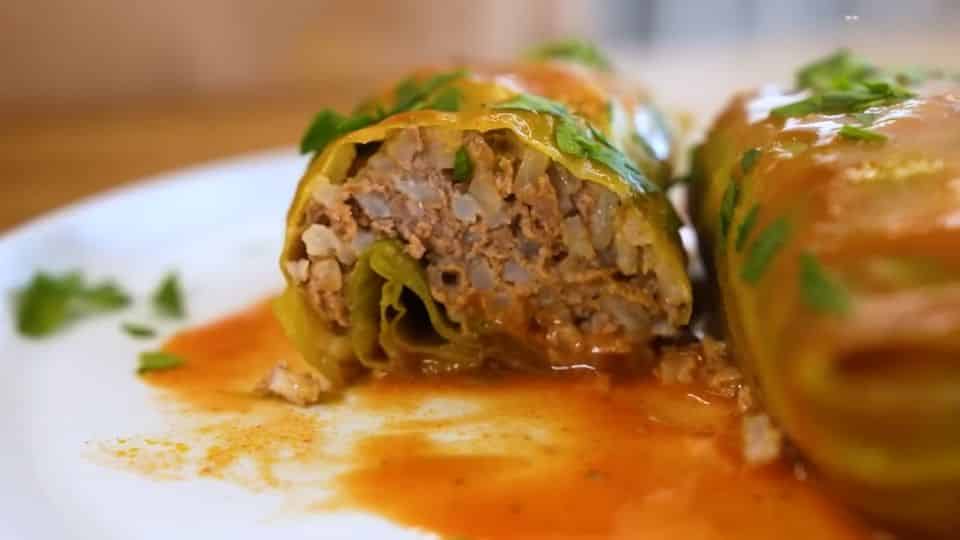
The flavor is savory with a slight tang from the tomato sauce. The texture is just right, soft cabbage and a moist filling that stays together well. The best part? A few simple, affordable ingredients do all the work.
This is one of those recipes I make on repeat during the colder months. It’s perfect for Sunday dinners, feeding a crowd, or batch-cooking for the week ahead. Leftovers taste even better the next day, which is a good reason to make a big pot.
I know cabbage rolls can seem intimidating if you’ve never made them before. The rolling, blanching, and layering sound like a lot. But the process is easy once you follow it step by step. By the end of your first batch, you’ll have it down.
Let me show you exactly how to make them.
Can’t get enough easy ground beef recipes? Check out this egg roll in a bowl recipe
Why you’ll love this recipe
- Budget-friendly ingredients. Cabbage, ground beef, rice, and canned tomatoes. A true everyday meal.
- Feeds a crowd without extra effort. One big pot makes six generous servings. You can easily double the recipe for a larger group.
- Leftovers taste even better. Day two cabbage rolls are genuinely better than day one, which is rare and wonderful.
- Freezer-friendly and meal-prep ready. These freeze well for up to three months. Make a double batch and thank yourself later during a busy weeknight.
- Easy to customize. You can swap the ground beef, change the sauce, or skip the meat altogether.
- Genuinely comforting. This meal encourages people to slow down and truly enjoy dinner. It’s hearty, warm, and deeply satisfying.

Ingredient notes
What each ingredient does and what to use if you don’t have it.
- Green cabbage. The classic choice. It has large, firm leaves that become pliable and sweet once blanched. Sub with Savoy cabbage (softer, easier to roll) or napa cabbage (more delicate).
- Ground beef. It is flavorful and affordable. The fat keeps the filling moist during the long bake. Sub with Ground pork, turkey, chicken, or a 50/50 mix of beef and pork for extra richness.
- White rice. It adds bulk and binds the filling. It must be par-cooked first; raw rice absorbs too much liquid. Sub with Brown rice (par-cook longer) or cauliflower rice for a low-carb version.
- Onion and garlic. They build the savory base of the filling. Don’t skip these; they do a lot of work. Sub with Onion powder and garlic powder work in a pinch. Use half the amount.
- Crushed tomatoes. They form the braising sauce. The rolls cook in it, so the quality matters here. Sub with Tomato passata, diced tomatoes blended smooth, or good-quality tomato soup.
- Worcestershire sauce. It adds a deep, umami flavor to both the filling and the sauce. A small amount goes a long way. Sub with Soy sauce or a small splash of fish sauce. Both add the same savory depth.
- Egg. It binds the meat mixture so the filling holds together when you cut into the rolls..
- Fresh herbs. Parsley brightens the filling. Dill adds a slightly Eastern European character that works beautifully. Dried parsley or dried dill are both fine. Use about a third of the fresh amount.
How to make cabbage rolls
Five steps. Take them one at a time, and it’s very manageable.
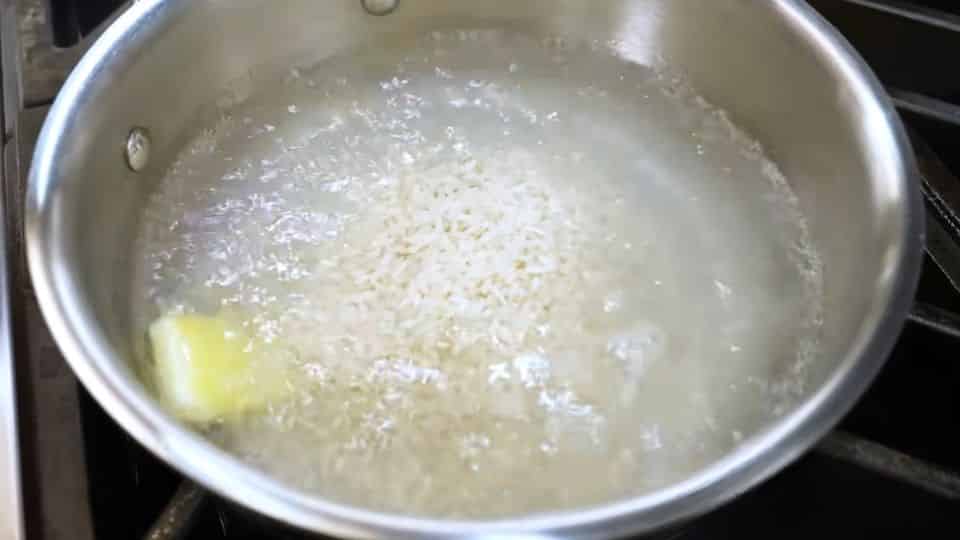
Step 1: Parboil your rice
In a saucepan add in your water and rice and bring to a boil. Reduce heat to low, cover, and simmer until rice is tender and liquid has been absorbed. Should take about 20 minutes.
Step 2: Prepare the cabbage
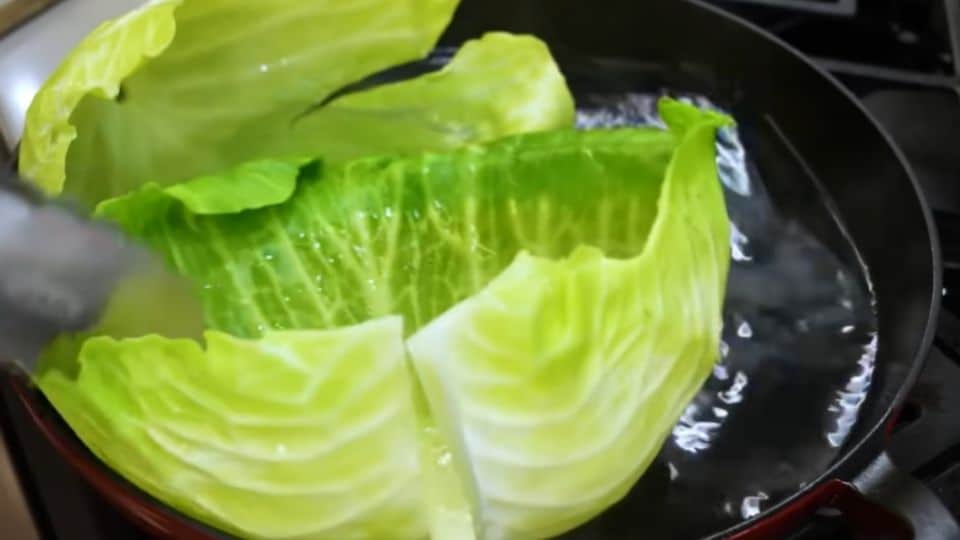
Use a sharp knife to cut a deep circle around the core and remove it. Lower the whole cabbage leaves into a large pot of boiling salted water. After 2 to 3 minutes, pull the leaves off gently with tongs and set aside.
Step 3: Make the filling
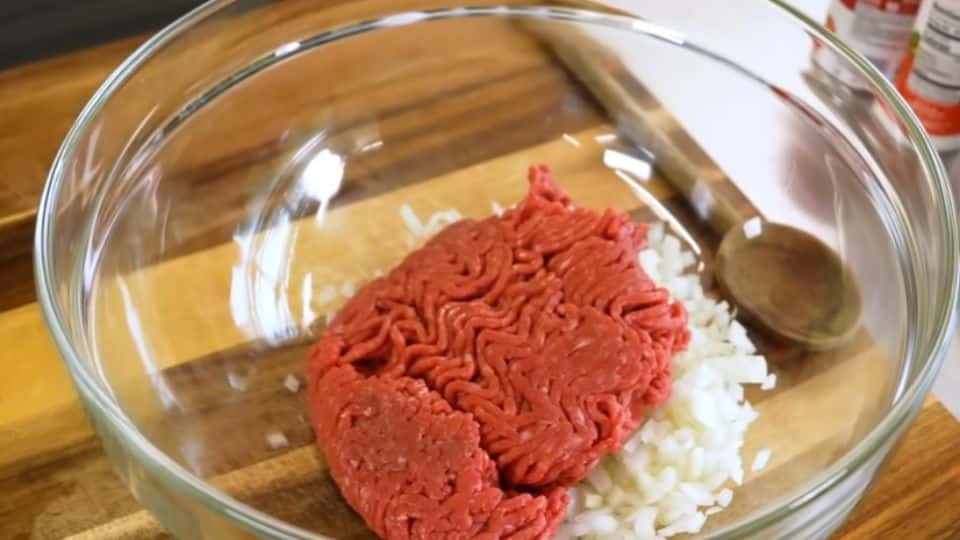
Combine ground beef, par-cooked rice, finely diced onion, minced garlic, egg, Worcestershire sauce, fresh parsley, salt, and pepper in a large bowl. Mix gently with your hands until just combined. Overworking the meat makes the filling dense and tough.
Step 4: Roll the cabbage rolls
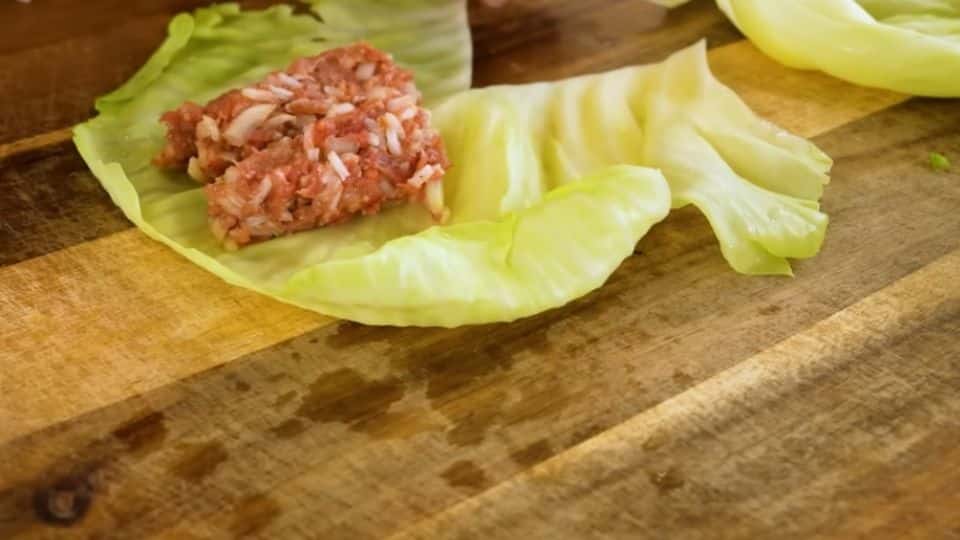
Lay a cabbage leaf flat on your work surface. Place about 3 tablespoons of filling near the base of the leaf. Fold the sides in, then roll up from the bottom, just like a burrito. Don’t roll too tightly. The rice expands as it cooks and needs room to breathe.
Step 5: If using homemade tomato sauce
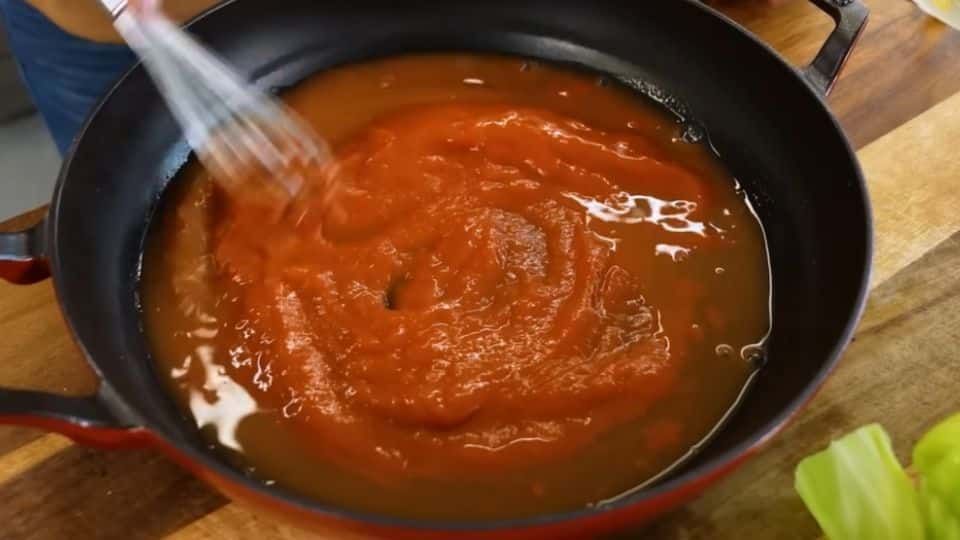
In a saucepan over medium heat, combine crushed tomatoes, a splash of Worcestershire sauce, a pinch of sugar, salt, and pepper. Stir and simmer for five minutes. Taste it; the sauce should be slightly tangy and well-seasoned. If it tastes flat, add a splash more Worcestershire. If it’s too sharp, another pinch of sugar balances it out.
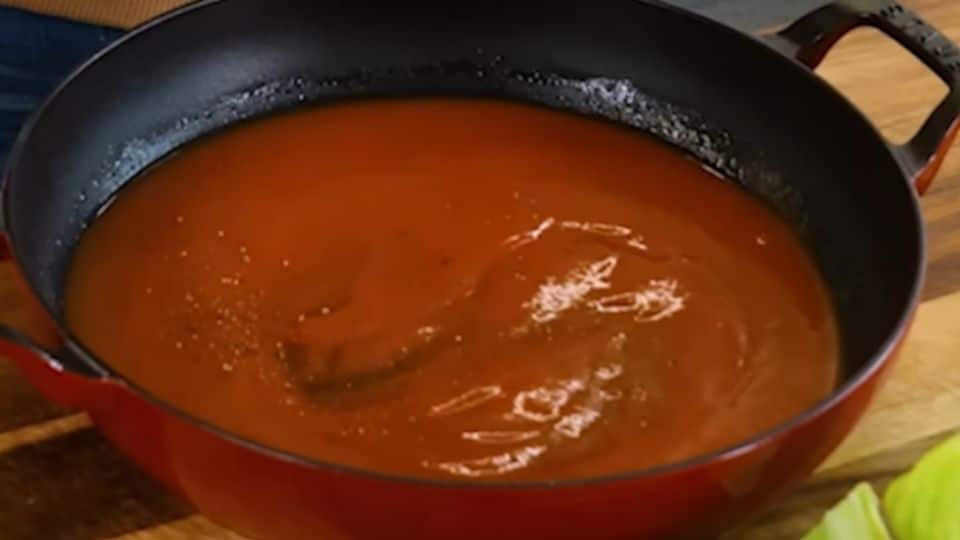
Step 6: Layer, sauce, and bake
Spread a thin layer of sauce across the bottom of a skillet. Lay any torn or leftover leaves on top; they protect the rolls from scorching and add flavor to the sauce.
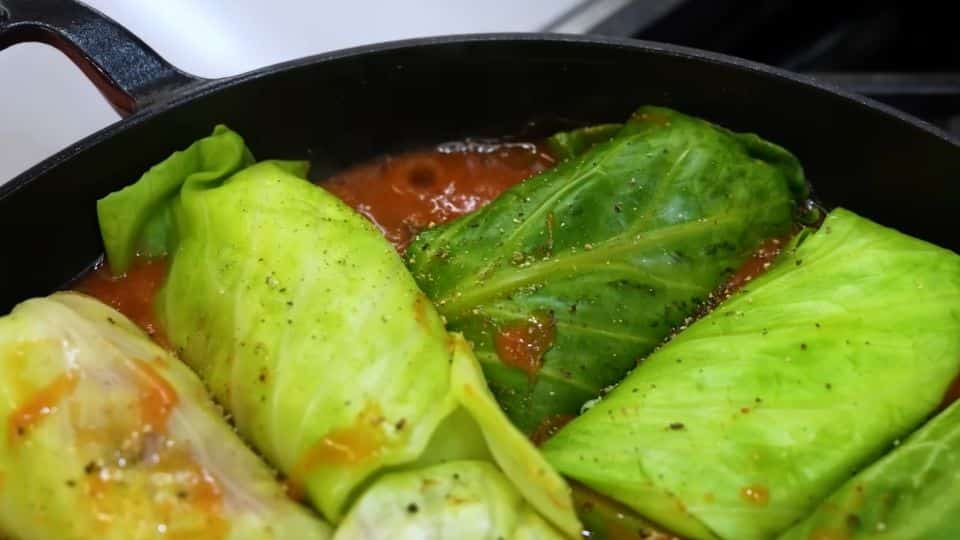
Arrange the rolls seam-side down in a single layer. Pour the remaining sauce generously over the top, making sure every roll is covered. Cover and bring to a boil.
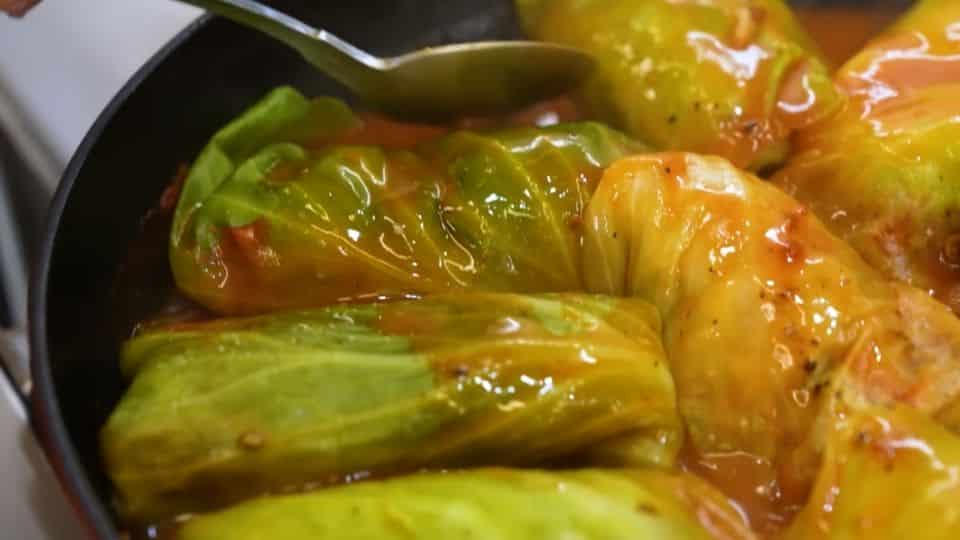
Baste with sauce from time to time to ensure the leaves don’t dry out. The beed should be cooked through and cabbage rolls ready in 40 minutes time.

Recipe success tips
The small details that separate good cabbage rolls from great ones.
- Pick the right cabbage. Choose a large, loose head. A big, round cabbage with relaxed outer leaves is much easier to work with than a tight, dense one.
- Don’t skip blanching. This step makes rolling possible. Raw cabbage tears and resists. Blanched cabbage bends and wraps easily.
- Par-cook the rice. Raw rice soaks up too much moisture and leaves your filling dry and heavy. Cook it halfway before mixing it in.
- Taste before you roll. Pan-fry a small piece of raw filling and taste it. Adjust the seasoning now. You can’t change it once the rolls are assembled and in the oven.
- Roll with room to expand. The rice continues to cook in the oven and expands. A roll that’s too tight will burst open and spill. Keep it snug, but not too tight.
- Use leftover leaves as a liner. Torn or small leaves aren’t waste. Layer them on the bottom of the dish. They prevent the rolls from burning and blend into the sauce.
- Cover tightly with foil. The steam trapped inside makes the cabbage tender and keeps the filling juicy. A loose cover allows too much moisture to escape. Press the foil down firmly at the edges.

Variations and ingredient swaps
The best part about this recipe is how easy it is to personalize. Here are eight ways to change it up; each one genuinely works.
- Turkey or chicken filling
This is a lighter, milder option. Poultry has less fat than beef, so the filling can dry out quickly. - Beef and pork mix
Use half ground beef and half ground pork. The pork adds extra fat and sweetness, making the filling noticeably juicier and more flavorful. - Vegetarian cabbage rolls
Replace the meat with cooked green or brown lentils, finely chopped mushrooms, and rice. Be generous with smoked paprika and cumin; lentils need bold seasoning to shine. These are hearty enough that meat-eaters won’t feel deprived. - Cauliflower rice swap
Replace white rice with riced cauliflower. The texture is slightly looser but still holds together well. Cut the bake time by about 15 minutes because cauliflower doesn’t need as long to cook as rice. - Creamy tomato sauce
Stir two to three tablespoons of full-fat sour cream into the tomato sauce before pouring it over the rolls. It softens the acidity and creates a richer, slightly tangy sauce. This version is especially good in winter. - Spicy version
Add half a teaspoon of red pepper flakes to the filling and another half to the tomato sauce. For more heat, finely dice one fresh jalapeño and mix it into the meat. The heat is subtle after a long bake; so don’t hold back if you like things spicy. - Middle Eastern-inspired
Season the filling with a quarter teaspoon each of cinnamon and allspice, and fold in a handful of toasted pine nuts. Finish with a squeeze of lemon juice over the sauce. This gives it a completely different flavor profile; warm, aromatic, and deeply satisfying.
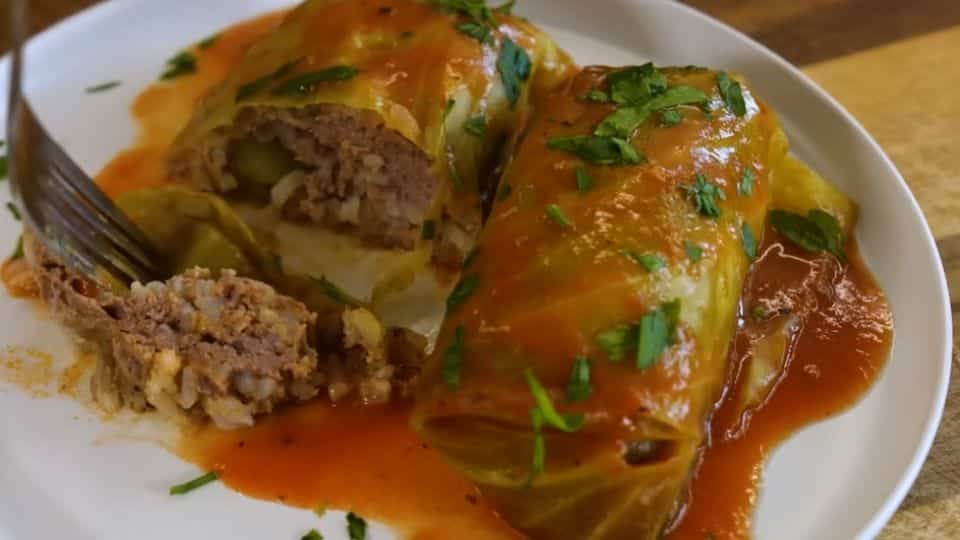
What to serve with cabbage rolls
Cabbage rolls make a complete meal on their own, but the right side dish can enhance the whole table.
- Crusty bread or dinner rolls
These are essential for soaking up the tomato sauce. A thick slice of sourdough or a soft dinner roll works perfectly. - Mashed potatoes
This classic comfort food is a great pairing. Spoon the tomato sauce from the baking dish over the mash; it’s one of the best combinations on the table. - Sour cream on the side
A dollop of cold sour cream on a warm cabbage roll is a combination that just works. It’s traditional, simple, and genuinely delicious. - A light soup starter
If you’re serving cabbage rolls for a dinner party, a simple broth-based soup makes a great starter. Keep it light so there’s still plenty of appetite left for the main event.
Storage and make-ahead instructions
Cabbage rolls are ideal for meal prep. Here’s how to store, freeze, and plan ahead effectively.
- Refrigerator
Store cooled cabbage rolls in an airtight container with their sauce for up to 4 days. The sauce keeps everything moist and the flavor improves overnight. These taste better on day two. - Freezer
Freeze cooked rolls in their sauce in a freezer-safe container for up to 3 months. Thaw overnight in the fridge before reheating. The texture holds up well, with no mushiness or falling apart. - Reheating
The oven is best. Place rolls in a dish, add a splash of water or extra tomato sauce, cover tightly with foil, and heat at 160°C (325°F) for 20 to 25 minutes. The microwave works too. Cover with a damp paper towel and reheat in 2-minute bursts. - Make-ahead tip: Assemble the rolls a full day ahead. Arrange them in the baking dish with the sauce, cover tightly, and refrigerate overnight. Pull the dish from the fridge 30 minutes before baking to warm it up, then bake as directed.
- Batch cooking tip: This recipe doubles easily. Make two full trays. Serve one for dinner tonight and freeze the second tray completely assembled but unbaked. When needed, thaw overnight and bake from cold, adding 15 to 20 extra minutes to the cook time.
Frequently asked questions
The questions readers ask most, answered honestly.
- Can I make cabbage rolls without blanching the cabbage?
Yes, there’s a clever workaround. Place the whole, cored cabbage head in the freezer overnight. When it thaws the next day, the leaves will be soft and flexible without any boiling. The texture is slightly different, but the method works well if you want to skip a step. Just plan a day ahead.
- Why did my cabbage rolls fall apart?
Three reasons: too much filling, rolling too loosely, or not enough sauce in the pan. Make sure you’re using about 3 tablespoons of filling per leaf, tucking the sides in firmly before rolling, and placing the rolls seam-side down so they stay closed during baking. A snug fit in the dish also helps. Rolls that can slide around tend to unravel.
- Can I use raw rice in cabbage rolls?
Technically yes, but the results are noticeably worse. Raw rice absorbs all the moisture from the filling as it cooks, leaving you with a dry, dense texture. Par-cooking the rice to about 50% done before mixing it in gives you a much juicier, better-textured filling. It’s an extra 10 minutes of work that makes a real difference.
- How do I stop the cabbage rolls from drying out?
Three things prevent dry rolls: enough sauce covering every roll completely, foil pressed down tightly at the edges to trap steam, and not overbaking. Check the rolls at the 75-minute mark. If the filling is cooked through and the cabbage is tender, take them out. Another 15 minutes won’t improve anything; it will only dry them out.
- Can I make cabbage rolls in a slow cooker?
Absolutely, and the results are excellent. Layer the assembled rolls in the slow cooker, pour the sauce over the top, and cook on low for 6 to 8 hours. The long, gentle heat makes the cabbage incredibly tender and keeps the filling moist. It’s a great option for busy days when you want dinner waiting for you.
- Can I freeze uncooked cabbage rolls?
Yes. Assemble the rolls, lay them on a baking sheet lined with parchment, and freeze until solid, about 2 hours. Then transfer them to a freezer bag or container. They’ll last for up to 3 months. To cook from frozen, thaw overnight in the fridge and bake normally, or add 25 to 30 extra minutes to the bake time if cooking straight from frozen.
Classic Easy Cabbage Rolls Better Than You'd Expect
Ingredients
Method
- In a saucepan add in your water and rice and bring to a boil
- Reduce heat to low, cover, and simmer until rice is tender and liquid has been absorbed. Should take about 20 minutes.
- Use a sharp knife to cut a deep circle around the core and remove it
- Bring a large, wide saucepan of lightly salted water to a boil.
- Lower the whole cabbage leaves into a large pot of boiling salted water for 2 to 3 minutes.
- Pull them off gently with tongs and set aside
- In a bowl, combine ground beef, par-cooked rice, finely diced onion, minced garlic, egg, Worcestershire sauce, fresh parsley, salt, and pepper
- Mix gently with your hands until just combined
- Lay a cabbage leaf flat on your work surface.
- Place about 3 tablespoons of filling near the base of the leaf.
- Fold the sides in, then roll up from the bottom, just like a burrito. Don’t roll too tightly. The rice expands as it cooks and needs room to breathe.
- Spread a thin layer of sauce across the bottom of a large baking dish.
- Arrange the rolls seam-side down in a single layer.
- Pour the remaining sauce generously over the top, making sure every roll is covered.
- Cover and bring to a boil for 40 minutes.
- Baste with sauce from time to time to ensure all cabbage rolls don't dry out.
- Once timer is up and beef is cooked through, remove from heat
- Serve and enjoy!!
Check out this other ground beef recipes
- Easy One Pan Egg Roll in a Bowl . This Egg roll in a bowl captures everything you love about a classic egg roll. It combines savory beef, garlicky cabbage, and glossy soy-sesame sauce, all cooked together in one pan
- The Best Sloppy Joe Recipe To Make Tonight. The texture is everything a sloppy joe should be: saucy and hearty, with just enough thickness to stay on a bun without sliding off the plate.
- Rotel Dip with Ground Beef. This rotel dip is perfect for game day, Super Bowl parties, potlucks, tailgates, or any casual get-together where you need to feed a crowd without stressing.