
How To Use Your Vision Board Daily
How To Use Your Vision Board Daily
Making your vision board is exciting. The real magic happens in what you do with it after the glue dries. A board works only when it becomes part of your normal life, not a project you forget about in a drawer.
Think of this section as your “user manual” so your board actually leads to change.
Create A Simple Daily Ritual
You do not need a long morning routine. A few intentional seconds with your board are enough to shift your focus.
Morning check in, 30 to 60 seconds
-
Look at your board and pick one area that stands out
-
Ask yourself, what is one tiny action I can take today that matches this vision
-
Decide on something that fits into your real schedule, for example
-
Drink water before coffee
-
Send one email for your side business
-
Go for a 10 minute walk
-
Spend 15 minutes decluttering one drawer
-
Evening reflection, 2 to 5 minutes
-
Glance at your board before bed
-
Ask
-
Where did I live in alignment with this vision today
-
Where did I ignore it
-
-
Thank yourself for one small win, even if it feels tiny
This daily rhythm keeps your board connected to your actual behavior, not just your wishes.
Turn Images Into Concrete Actions
Every image on your board represents a habit, choice or project. When you connect each picture to a possible action, you turn a collage into a plan.
Try this exercise once after you finish your board, then review it monthly.
-
Choose one image on your board
-
Ask: what is one habit or action this picture is asking for
-
Cozy reading corner image: “Read for 10 minutes after dinner instead of scrolling”
-
Organized fridge image: “Plan 3 simple dinners on Sunday”
-
Strong body image: “Move my body for at least 15 minutes on weekdays”
-
Travel picture: “Open a separate savings account and set up a small automatic transfer”
-
-
Write these ideas in a notebook or on sticky notes and place them near your board
When you look at your board, you will start to see not only the goal, but what you can do today to move toward it.
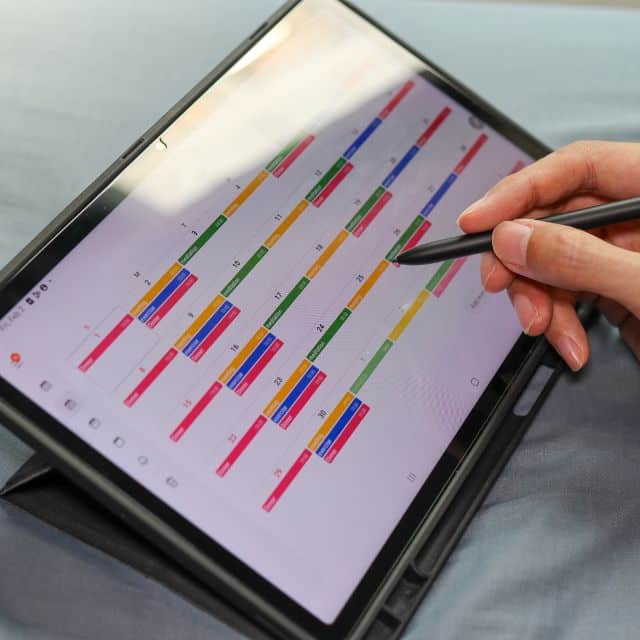
Link Your Vision Board To Your Planner Or Calendar
Your vision lives on the board. Your time lives in your planner or calendar. To make progress, they need to talk to each other.
Once a week, for example on Sunday, try this
-
Look at your board for a few minutes
-
Pick 1 to 3 focus areas for the week, such as health, money and home
-
For each focus area, choose one realistic action, then put it into your calendar, for example
-
Health: three 20 minute walks, scheduled like appointments
-
Money: one hour to review your budget or send invoices
-
Home: one 30 minute declutter session in a specific space
-
This way, your vision stops being “someday” and becomes a series of small, scheduled steps.
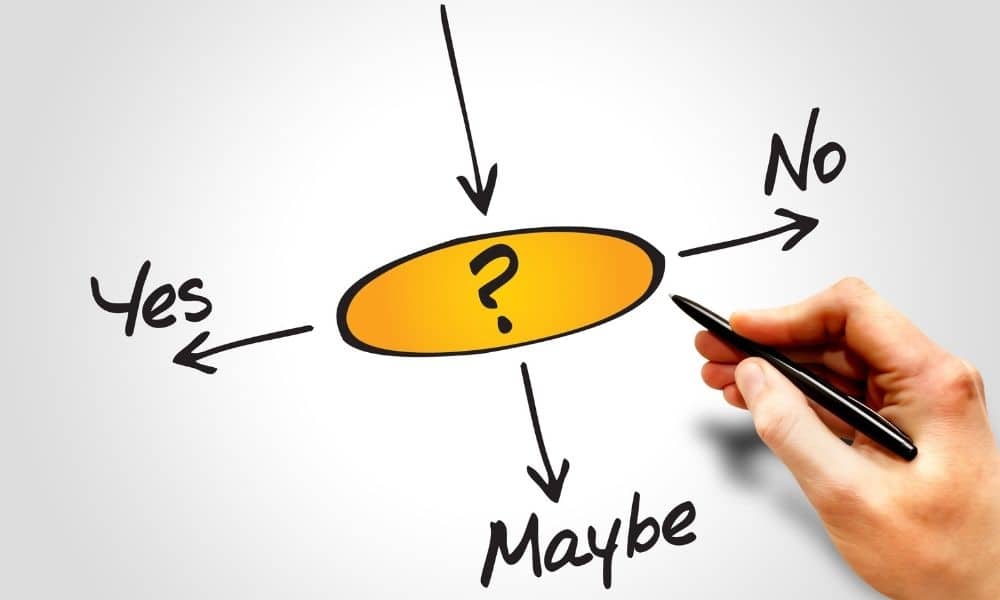
Use Your Board To Make Everyday Decisions
Your vision board can act like a quiet filter for your choices. Whenever you feel pulled in different directions, use it as a reference.
Ask yourself
-
Does this invitation, purchase or project move me closer to this board
-
Or does it pull me away
Examples
-
Saying no to a late night outing if your board is full of early mornings and strong health
-
Skipping impulse shopping if your board shows a clear money goal and debt free images
-
Accepting a slightly scary opportunity if your board is about growth and courage
Over time, these small aligned decisions add up to big changes.
When And How To Update Your Vision Board
Your life is not static, and your vision is allowed to evolve. Updating your board is not a sign of failure, it is a sign of growth.
Quick monthly check in
Once a month, ask
-
Does any image feel “old”, heavy or no longer true
-
Is there a new habit, dream or value that wants space here
If something no longer fits
-
Remove or cover the image on a physical board
-
Delete or replace it on a digital board
Bigger refresh moments
You might rebuild your board after
-
A big life event, such as a move, new job, breakup, health change
-
Achieving a major goal, such as paying off debt or finishing school
-
A new year or new quarter, when you feel ready for a fresh focus
You do not need to start again every time. You can simply adjust a few key sections so your board matches who you are becoming.

What To Do If Your Vision Board Makes You Feel Discouraged
Sometimes, looking at your board can trigger comparison or pressure, especially if life feels slow or messy. If that happens, it does not mean vision boards are wrong for you. It means your board needs a gentler approach.
Try this
-
Remove any image that feels like someone else’s life, not yours
-
Replace extreme or unrealistic photos with visuals that are closer to your next step, not your final destination
-
Soften your affirmations to feel more honest, for example
-
From “I love my body” to “I am learning to respect my body”
-
From “I am rich” to “I am becoming more responsible and confident with money”
-
Your vision board should feel like a supportive friend, not a strict boss.
Used daily, your board becomes a quiet structure that holds your goals in place and keeps them from drifting into the background. In the next section you can show your reader common vision board mistakes to avoid, so they do not accidentally create a board that overwhelms them instead of motivating them.

Common Vision Board Mistakes To Avoid
If you have made vision boards before and they did not “work”, it was probably not your fault. Most people are never taught how to use them in a practical way. They collect pretty images, then feel confused when nothing changes. This section helps your reader avoid the most common traps, so their new board actually supports real progress.
Mistake 1: Making The Board Too Crowded
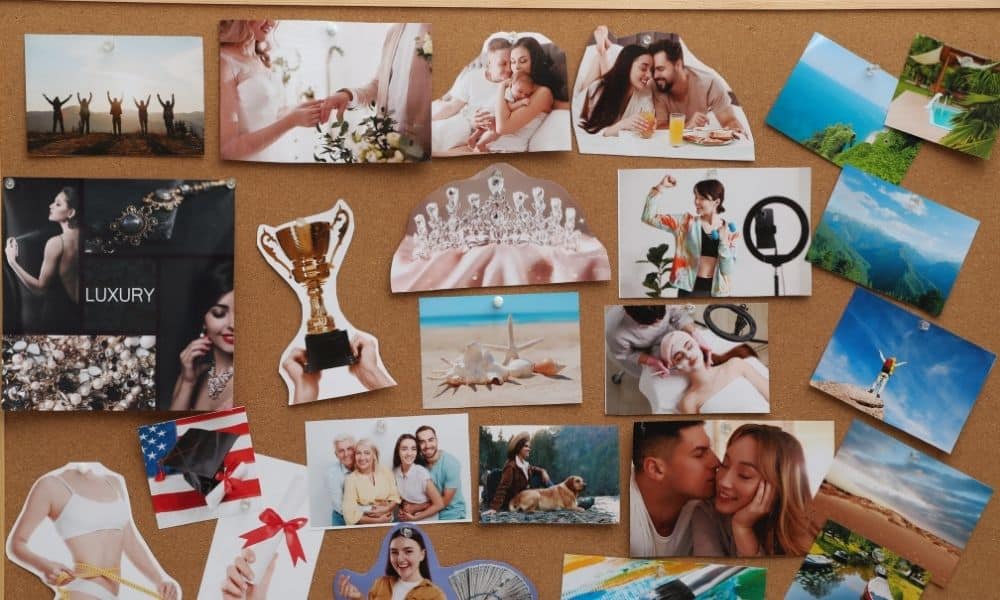
A vision board that is packed edge to edge with pictures and text can feel exciting for an hour and overwhelming for the rest of the year. When everything is important, nothing stands out.
How to fix it
-
Choose fewer, more meaningful images
-
Leave white space around clusters so your eye can rest
-
Keep your main intention or word of the year clearly visible
Ask yourself, can I understand the main message of this board in three seconds
Mistake 2: Focusing Only On Things, Not Feelings
Many boards are filled with cars, houses, bodies and luxury items, but they forget the reason behind those things. Your nervous system responds more deeply to feelings and experiences than to objects.
How to fix it
-
For every “thing” you add, also add an image that shows how you want to feel living with it
-
If you include a dream home, also include images of calm evenings, game nights, quiet mornings in that space
-
If you want more money, include images of peace, choices and generosity, not only shopping bags
Remember, a smaller apartment where you feel safe and relaxed might be a more powerful vision than a mansion that actually stresses you out.

Mistake 3: Choosing Goals That Are Not Truly Yours
It is easy to build a vision board from social media, family expectations or what your peers are doing. Then your board feels heavy, because it is full of “shoulds”, not true desires.
How to fix it
-
Revisit your reflection questions: what do I want my life to feel like, what would make the biggest difference
-
Notice any image that makes you feel tight, resentful or pressured, not inspired
-
Ask, if nobody could see this board, would I still want this
Remove anything that is more about impressing others than supporting your real values.
Mistake 4: Creating The Board Once, Then Never Looking At It
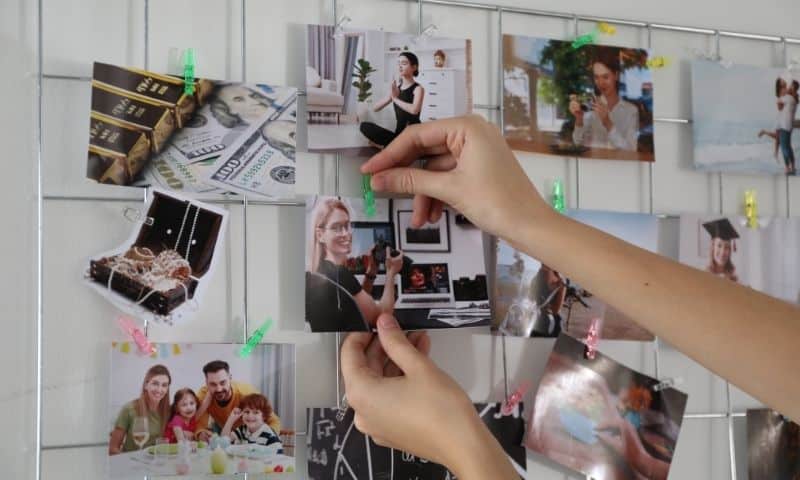
A vision board stuffed behind a door or buried in a desk drawer has no chance to help you. This is one of the biggest reasons people say vision boards do not work.
How to fix it
-
Place your board where you naturally look every day, near your bed, desk, mirror or coffee corner
-
If it is digital, set it as your phone lock screen or laptop wallpaper
-
Attach a tiny daily ritual, even 30 seconds of looking and choosing one small aligned action
Your board is a tool, not a one time craft. It needs contact with your daily life to have an effect.

Mistake 5: Making It All Big Dreams And No Daily Habits
Some boards are filled only with end results, for example dream body, dream house, dream income. Without images of the process, your brain can feel that the gap is too big and shut down.
How to fix it
-
Add visuals of routines and habits, such as walking, cooking simple meals, budgeting, reading, deep work sessions
-
Include photos of realistic workdays, not only vacations
-
Use a few images to represent “normal Tuesday” in your future life, not just the highlight reel
When your board includes both the destination and the path, it feels more achievable and actionable.

Mistake 6: Setting Unrealistic Or All Or Nothing Expectations
Some people expect every image on their board to come true quickly, in a specific way, or they decide the process has failed. This creates pressure instead of motivation.
How to fix it
-
Treat your board as a compass that helps you move in the right direction, not a contract that must be fulfilled perfectly
-
Celebrate partial wins, for example, you might not move to a new country yet, but you started saving and took a local trip
-
Allow your goals to evolve as you learn more about yourself
Progress is still progress, even if it looks different from your original picture.
Mistake 7: Ignoring Your Current Reality Completely
There is a difference between expanding your vision and escaping your life. If your board is so far from your current situation that it feels like a different planet, you might disconnect from it instead of moving toward it.
How to fix it
-
Mix stretch goals with next step goals
-
Include images that represent small upgrades you can make in the next three to six months
-
Keep a gentle balance between “someday” dreams and “this year” shifts
When your board feels like it belongs to your actual life, you are more likely to act on it.