How To Decorate With Indoor Plants, Easy Ideas For Every Style
Indoor plants do more than clean the air.
They soften sharp corners, add color, and bring instant warmth to any room.
You might feel unsure how many plants to use, which pots to choose, or how to decorate small spaces with greenery.
Maybe your plants sit randomly on windowsills and floors, without feeling like part of your decor at all.
In this guide, you will learn simple styling rules that make plants look intentional.
You will see ideas by room, ideas by style, and easy ways to mix heights, textures, and pot colors.
By the end, you will know how to place, group, and style indoor plants so your home feels calmer, fresher, and beautifully pulled together.
Understand Your Light Before You Buy Plants
Stand in each room and look at the windows.
Note which direction they face, north, south, east or west.
South and west windows usually give brighter light and more heat.
North and some east windows often feel softer and lower in light.
Watch how long direct sun touches each spot during a normal day.
This helps you separate bright indirect light, low light and full sun.
Match plants to the light they truly receive, not the light you want.
This one step prevents many sad, struggling houseplants later.
Map Your Plant Spots And Traffic
Walk through your home and spot possible plant locations.
Look at corners, beside sofas, on shelves, window sills and console tables.
Measure key places, such as floor corners and shelf openings.
You need to know how tall and wide plants can grow there.
Notice how people move through each room every day.
Avoid placing fragile plants where kids, pets or bags bump them.
Decide where you want one big statement plant.
Note where small accents would work better, like desks and bedside tables.
Choose A Simple Style Direction
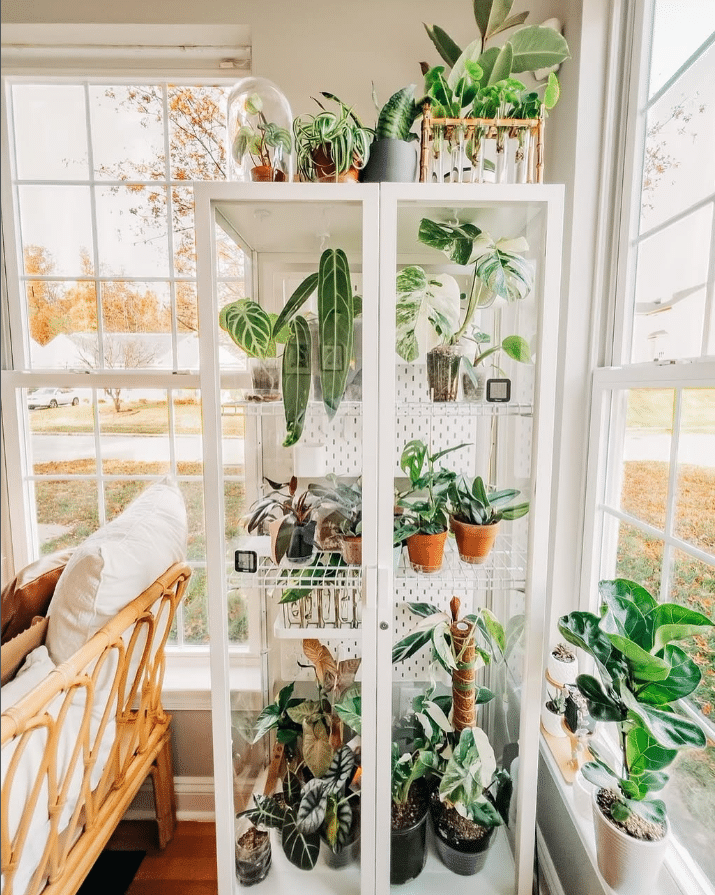
Pick one loose style to guide your plant decor.
Good options include modern, boho, Scandinavian, cottage or jungle inspired.
Look at your existing furniture, colors and materials first.
Use plants and pots to support that mood, not fight it.
Choose two or three main pot finishes to repeat.
For example, terracotta, white and woven, or black, concrete and wood.
When you repeat materials and shapes, your plant decor feels cohesive.
Even a growing collection still looks intentional, not random.
Indoor Plants Decor Ideas By Room
You decorate with plants more easily when you think room by room.
Each space has different light, habits and needs.
1. Living Room Plant Decor
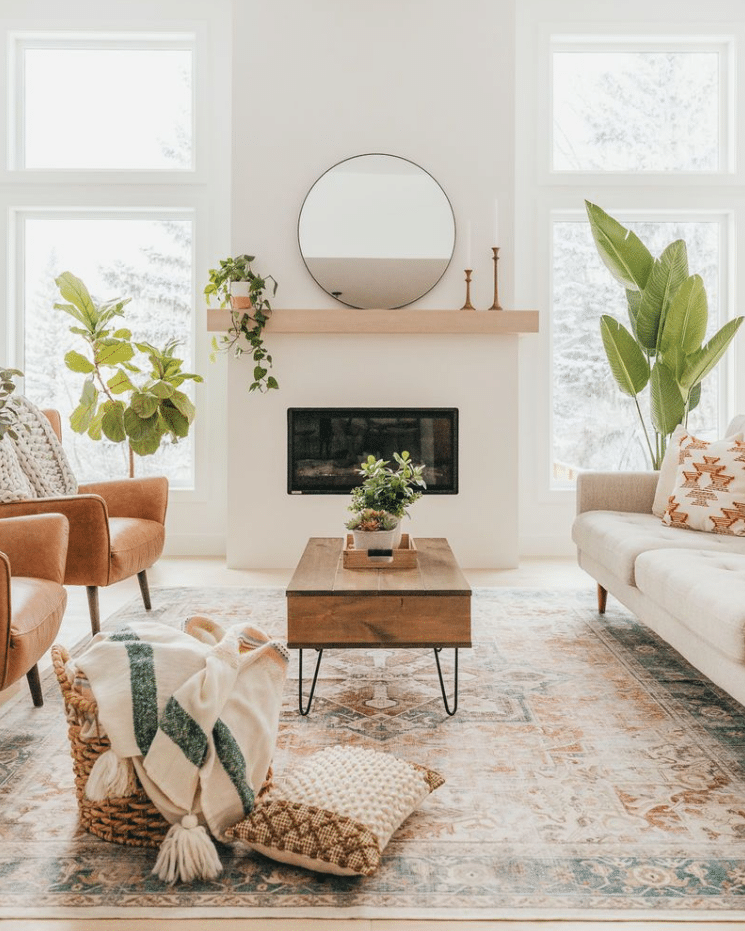
Treat the living room as your main plant stage.
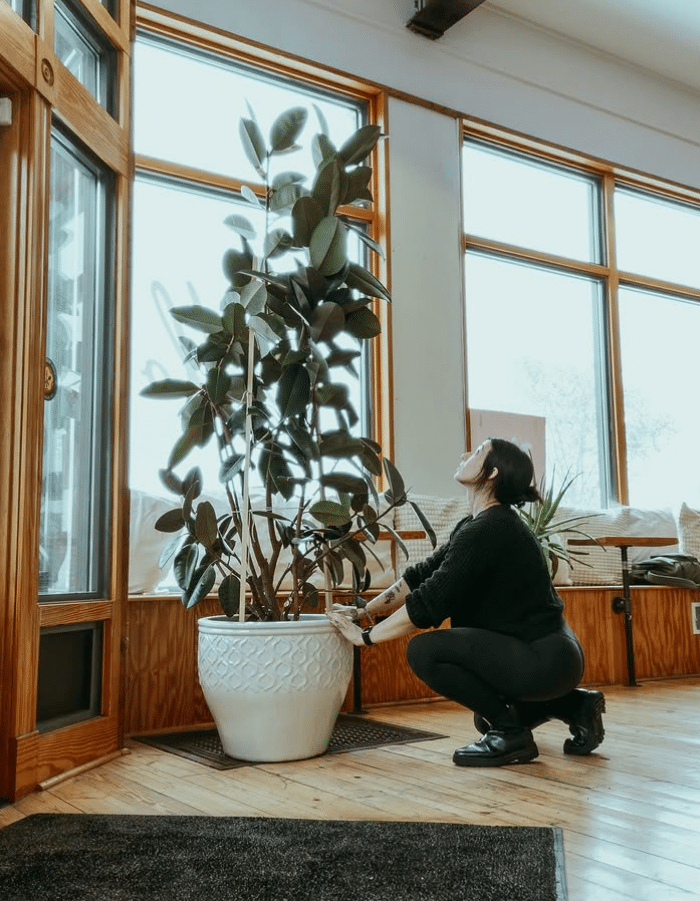
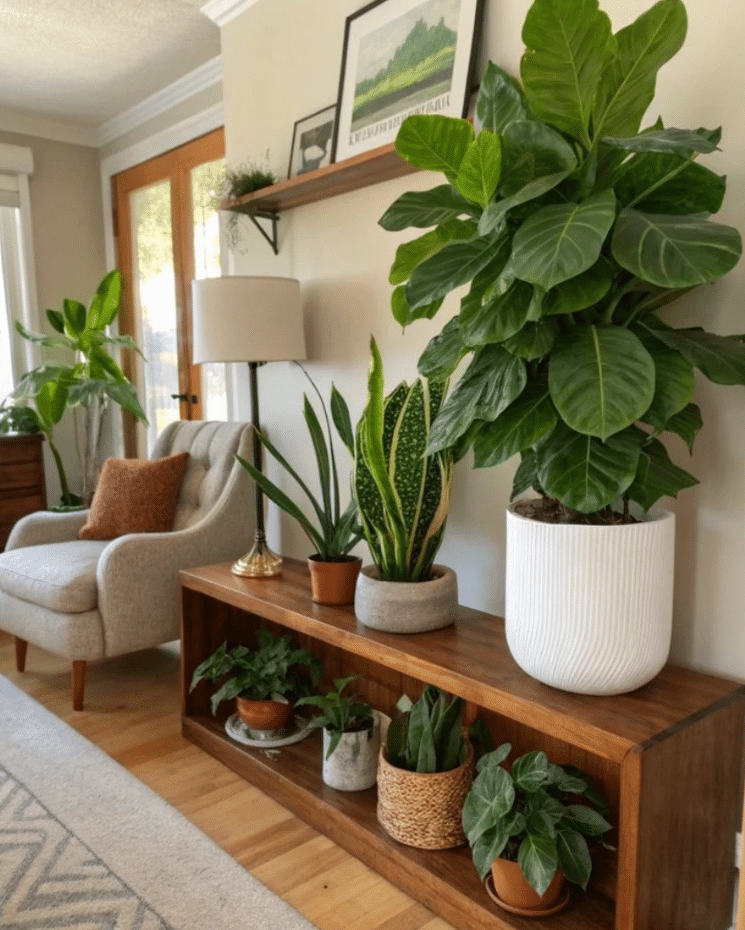
Use one tall floor plant to anchor a corner or flank the sofa.
Place medium plants on side tables, stools and consoles at eye level.
They soften electronics, lamps and sharp furniture lines.
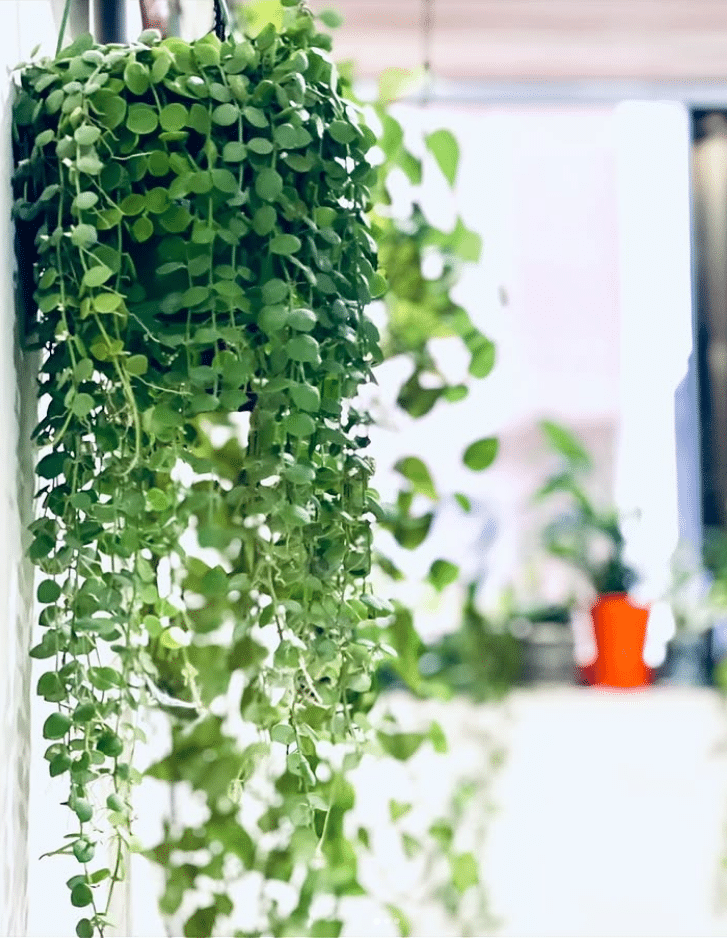
Add trailing plants on shelves or media units.
Let vines spill gently rather than cover the screen or speakers.
Balance greenery across the room, not only in one corner.
Aim for a few strong plant moments instead of scattered small pots.
2. Bedroom Plant Decor
Keep bedroom plant decor calm and simple.
Choose low maintenance plants that handle slightly lower light and quieter care.
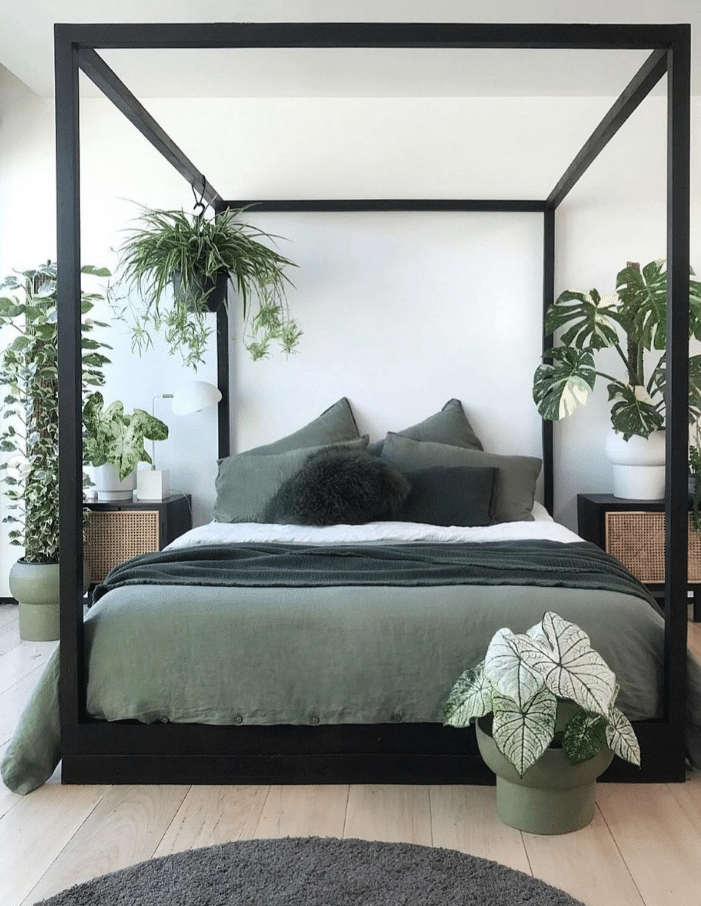
Place one small plant on each bedside table or dresser.
Skip heavily scented plants if you are scent sensitive while sleeping.
Use a medium floor plant in a corner away from doors.
It adds softness without crowding the bed or blocking walking space.
If you hang plants, keep them away from your head area.
You want the room to feel cozy, not crowded or busy.
3. Kitchen Plant Decor
Mix useful and decorative plants in the kitchen.
Herbs in small pots near a bright window feel practical and pretty.
Line a sunny sill with basil, parsley, thyme and chives.
Use matching pots or jars so the row looks tidy.
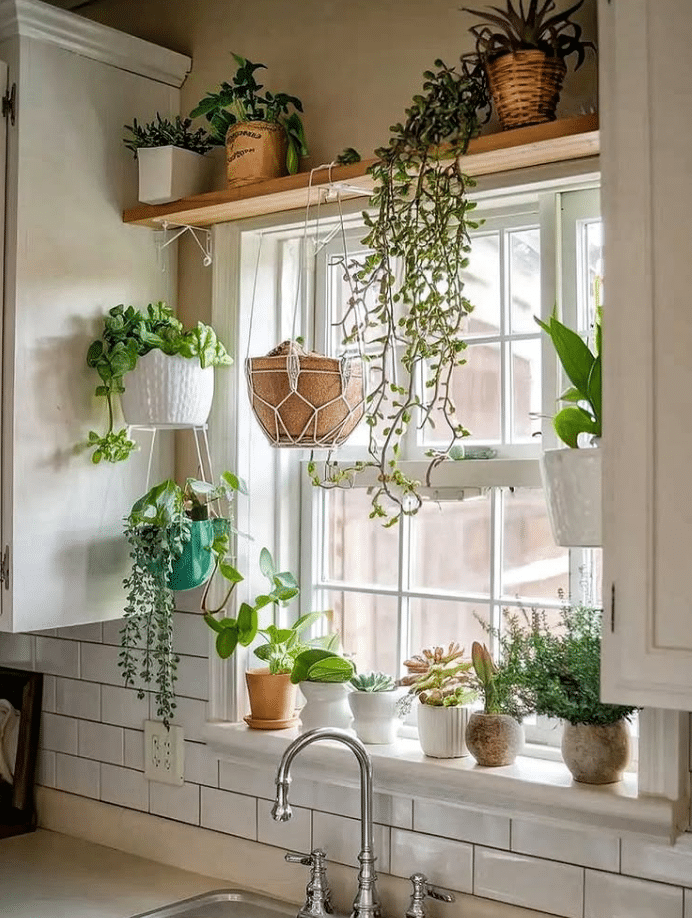
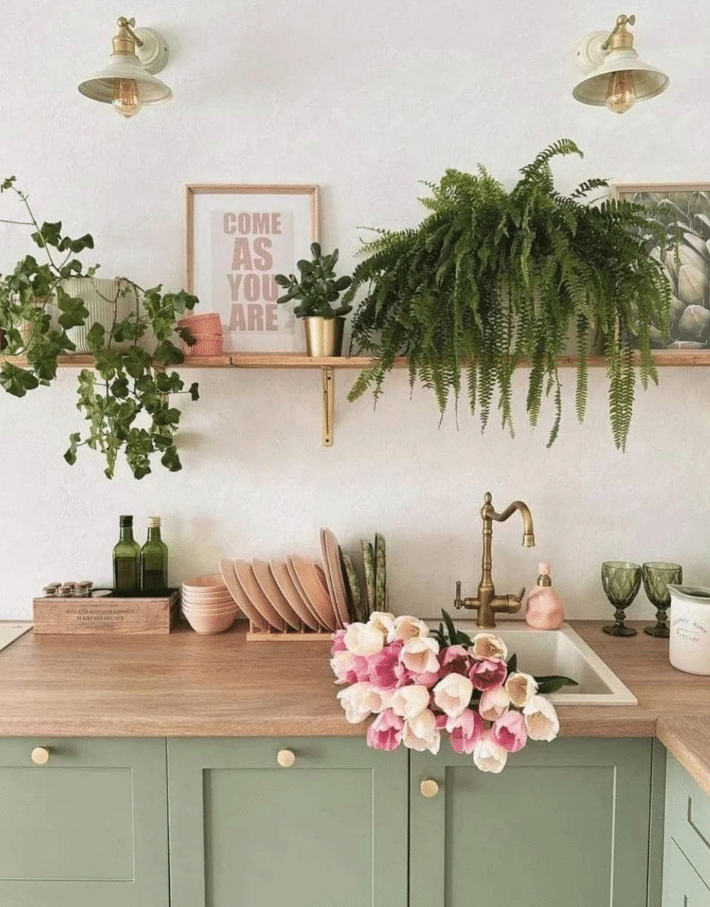
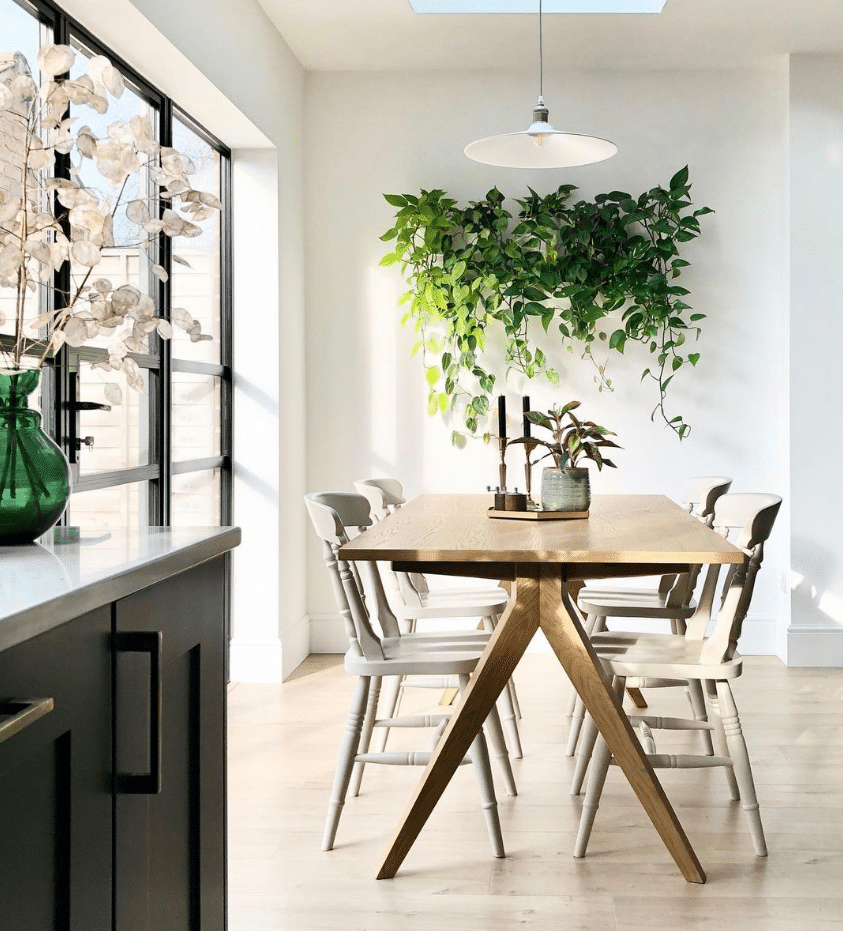
Place trailing plants on top of cabinets or the fridge.
Let vines fall down and soften hard cabinet lines.
Avoid plants directly above the stove or close to splashes.
Heat, grease and steam will stress leaves and make cleaning harder.
4. Bathroom Plant Decor
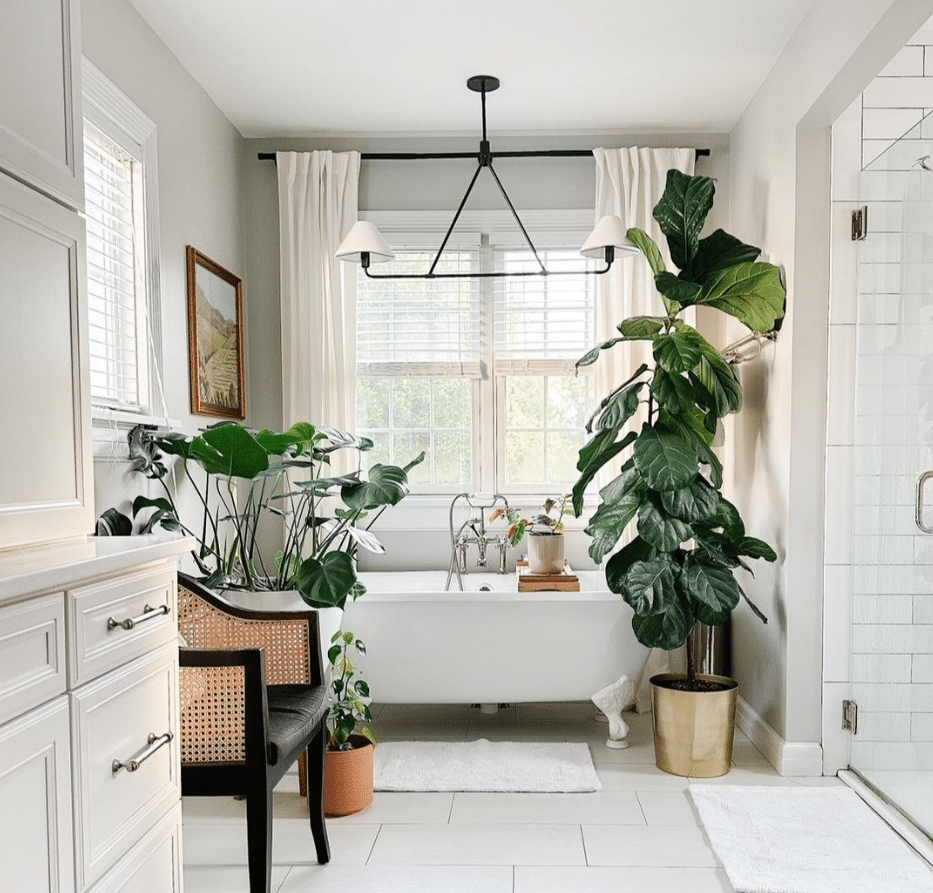
Bathrooms can be great plant rooms when they have some light.
Humidity helps many tropical plants thrive and look lush.
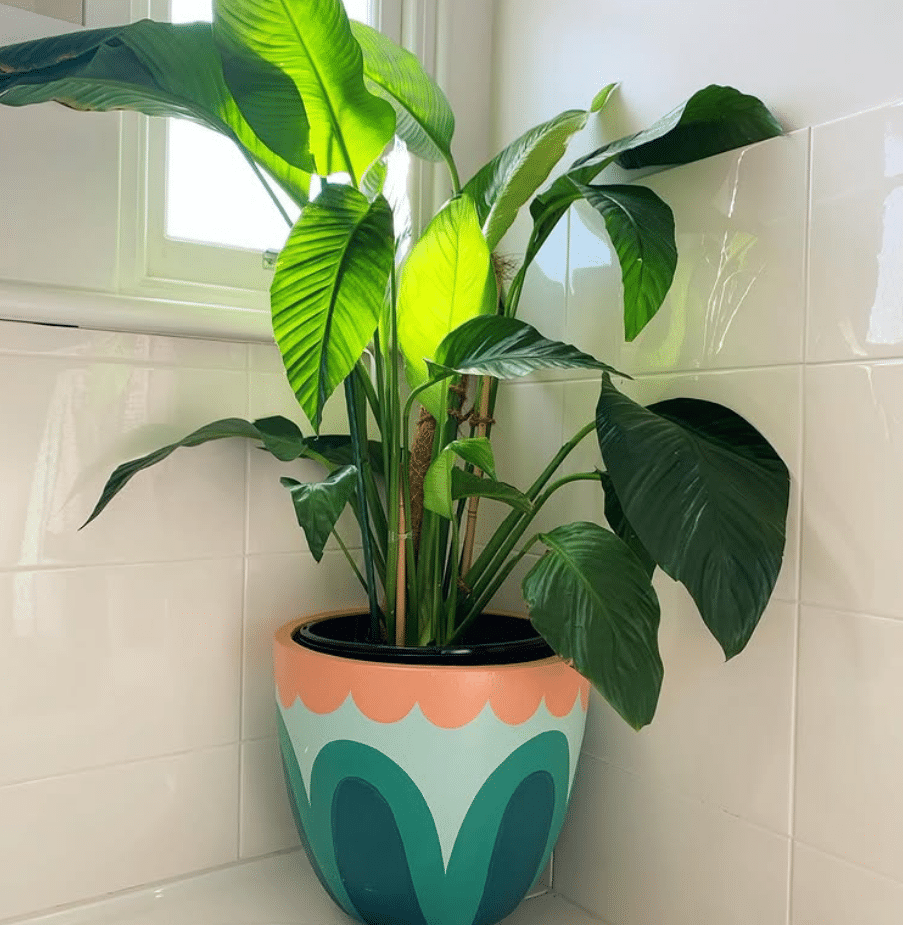
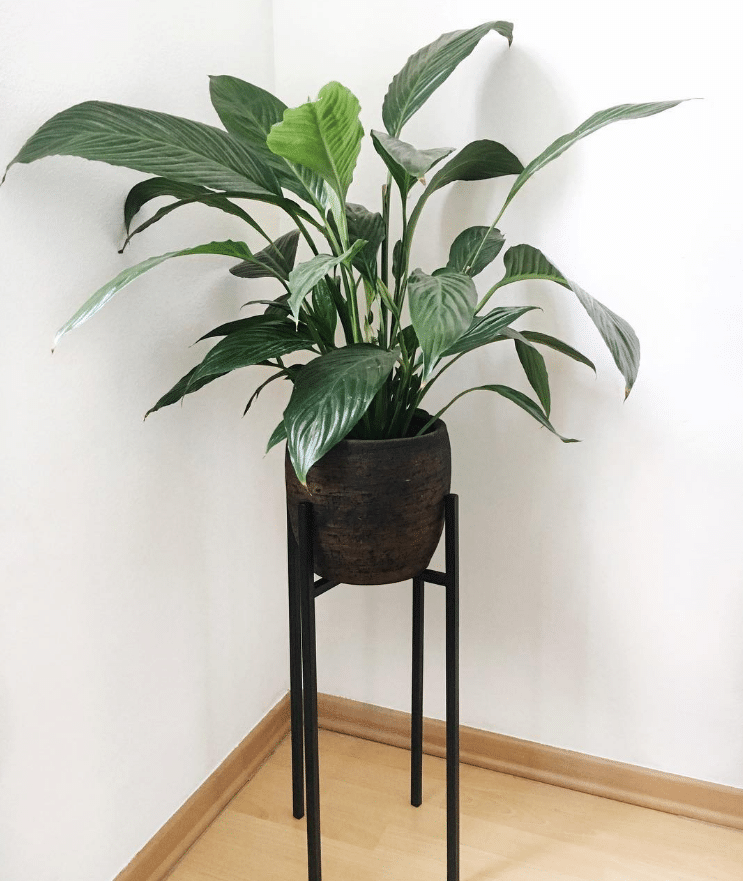
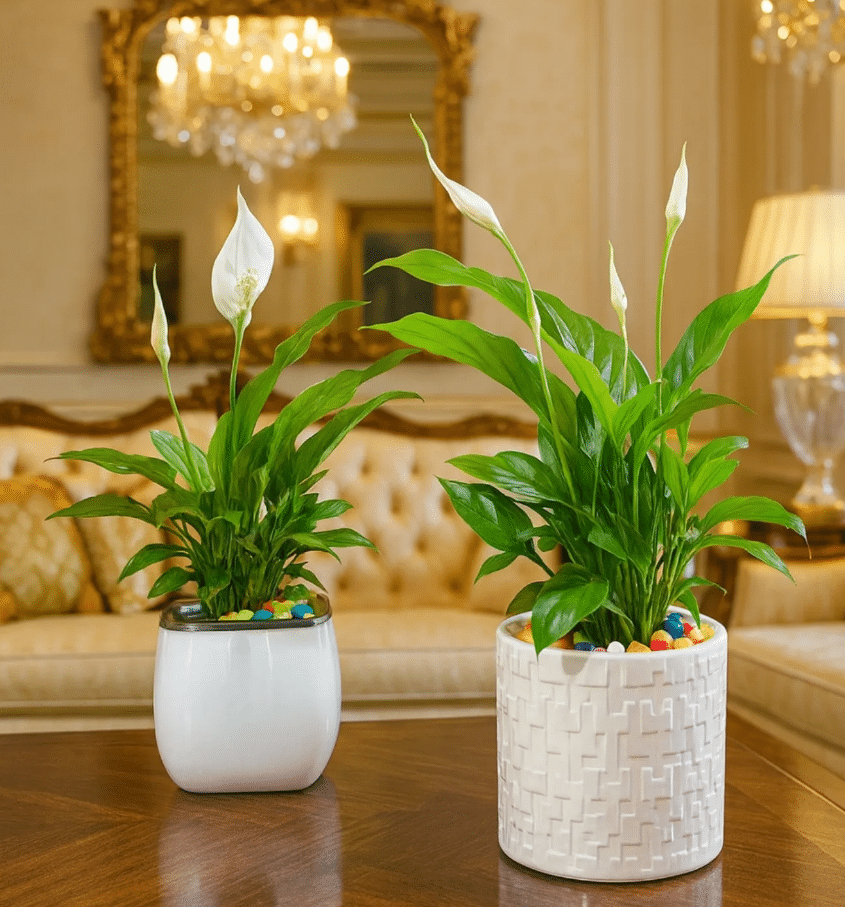
Choose plants that enjoy moisture, such as ferns, pothos and peace lily.
Place them away from strong drafts and heavy cleaning sprays.
Use small pots on shelves, window ledges or the back of the toilet.
Keep surfaces functional for daily routines and storage.
If the bathroom has low light, use a few tough low light plants.
You can mix one realistic faux plant if needed for extra fullness.
5. Home Office And Desk Plant Decor
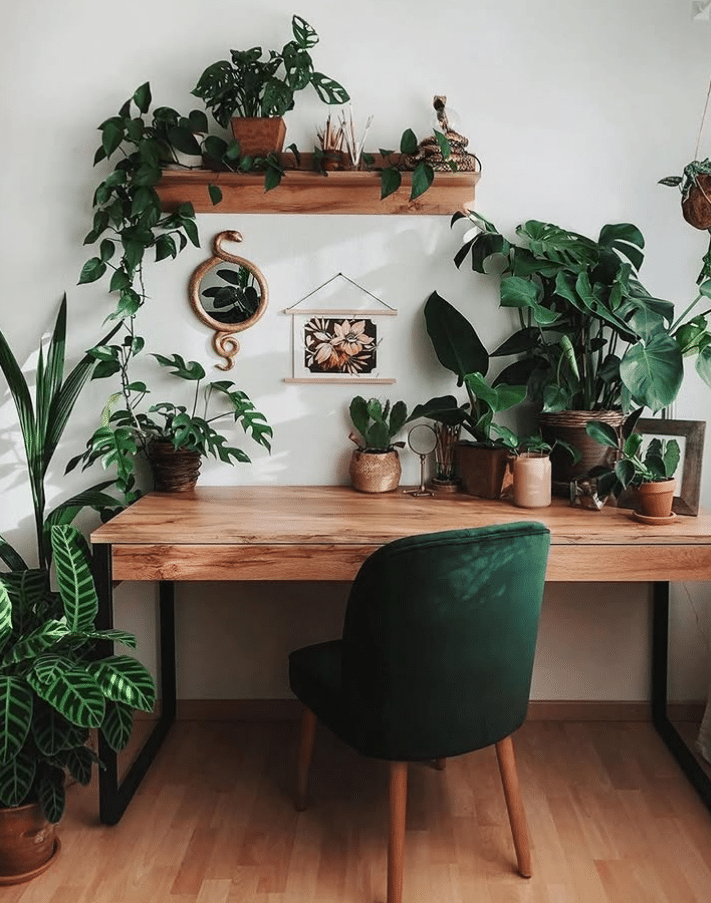
Plants can make a work zone feel softer and less stressful.
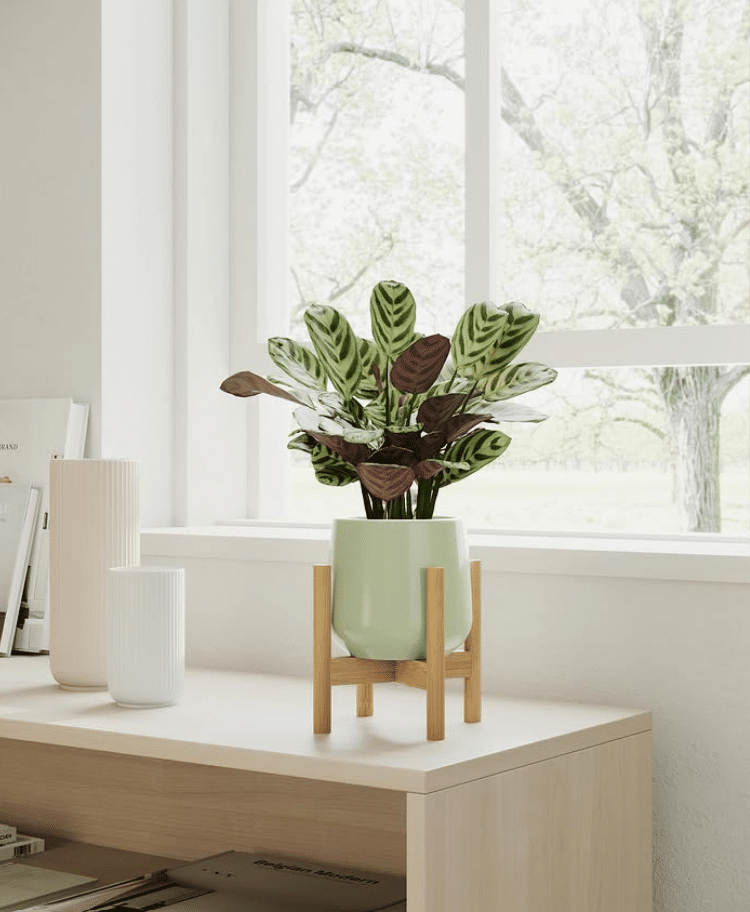
Start with one low maintenance plant on your desk or side table.
Choose compact varieties that do not drop many leaves or need constant trimming.
Snake plant, zz plant and peperomia all work well.
Place taller plants behind or beside your chair.
They create a more attractive video call background instantly.
Use shelves near the desk for trailing plants and small pots.
Keep cords clear so watering stays easy and safe.
Indoor Plant Styling Basics
Once you know where plants can live, focus on how they look together.
A few simple styling rules make a big difference.
1. Use Height And Scale For Impact
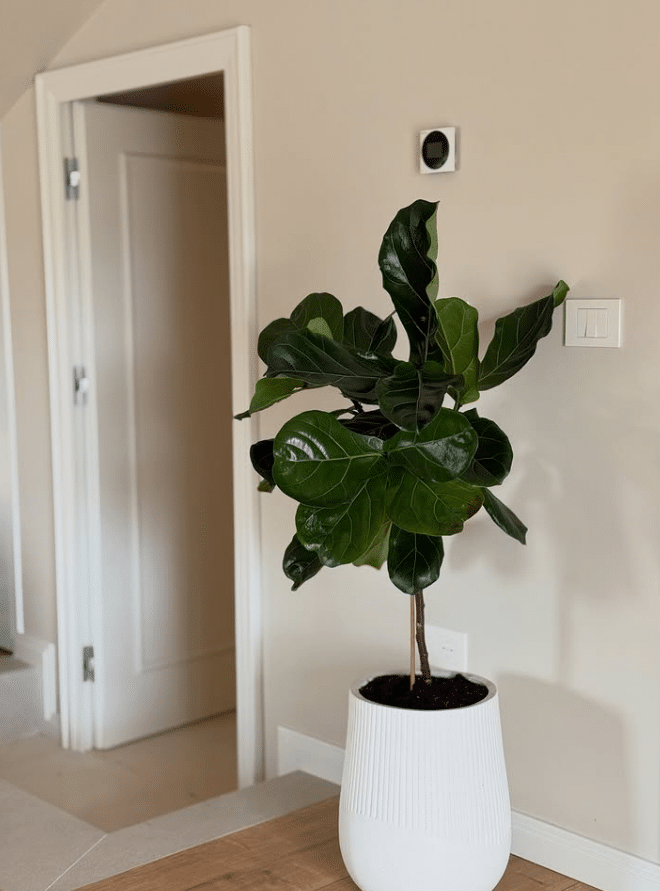
Start with one tall floor plant in each main living area.
Place it where it feels like part of the furniture layout.
Add medium plants at table or console height.
These sit at eye level when you stand or sit nearby.
Use small plants on shelves, window sills and narrow ledges.
They finish the scene without using precious floor space.
Avoid many tiny plants scattered on the floor.
They look cluttered and are easy to trip over.
2. Group Plants In Odd Numbers
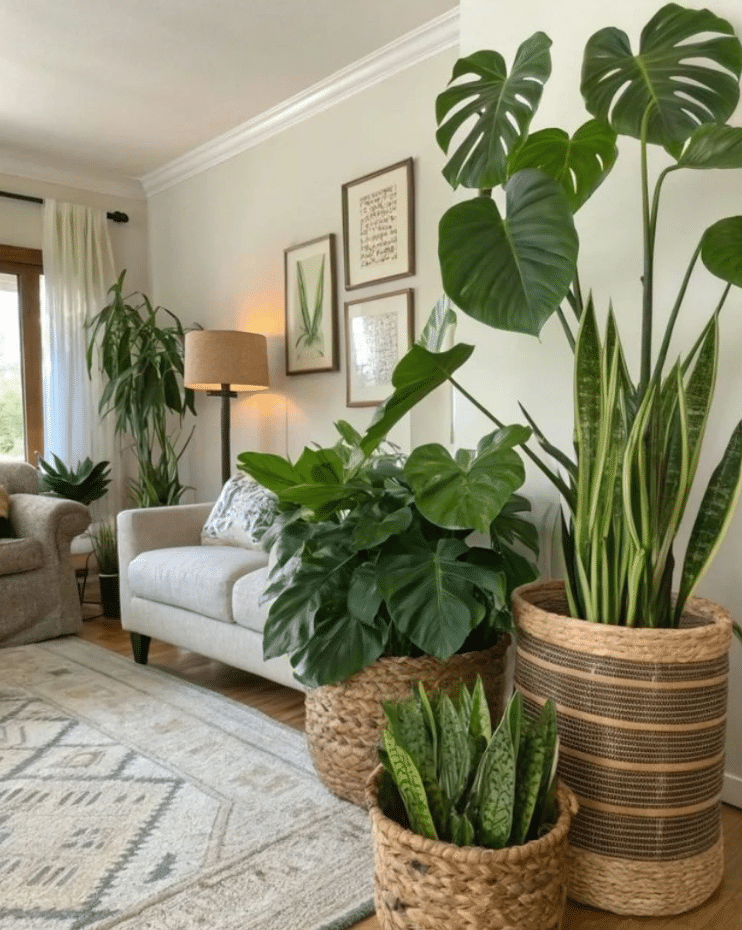
Arrange plants in groups instead of lining them up.
Clusters look more intentional and easier on the eye.
Use groups of three or five when possible.
Include one tall, one medium and one trailing plant together.
Place grouped plants on a tray, stool or low bench.
The shared base makes them read as one styled moment.
Leave some empty space near each cluster.
Breathing room keeps plant decor from feeling cramped or chaotic.
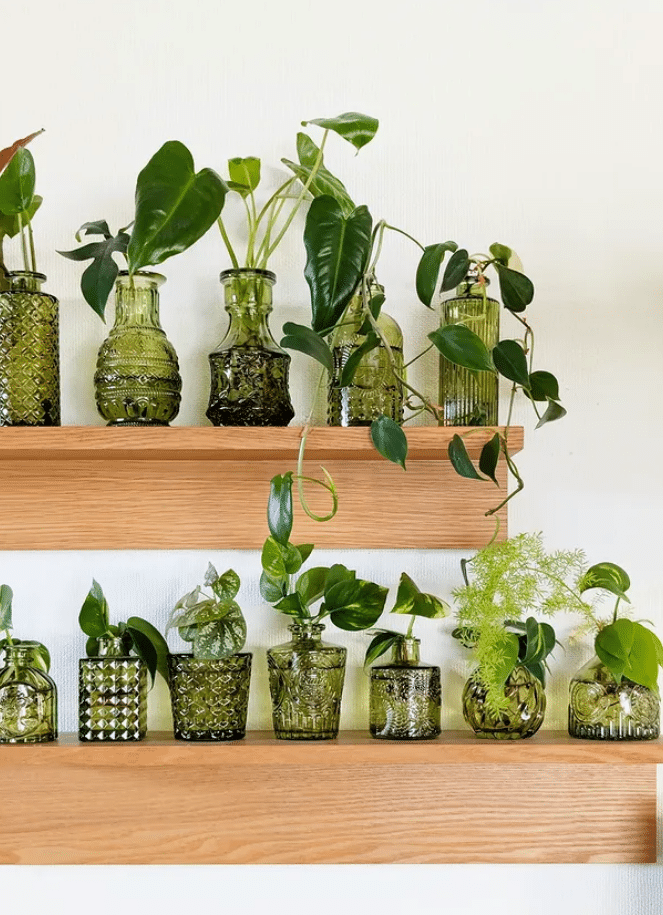
3. Repeat Pots And Materials For Cohesion
Choose two or three pot finishes to repeat throughout your home.
Good options include terracotta, white, black, concrete and woven baskets.
Use the same finishes in several rooms for a connected look.
Your plant collection will feel like part of one design story.
Hide plastic nursery pots inside decorative cachepots or baskets.
This keeps watering practical while the visible pot stays pretty.
Add one or two special pots with color or pattern.
Use them as accents, not as the main theme everywhere.
Indoor Plants Decor By Style
You can use plants to reinforce the style you already love.
Pick the ideas that match your home and personality.
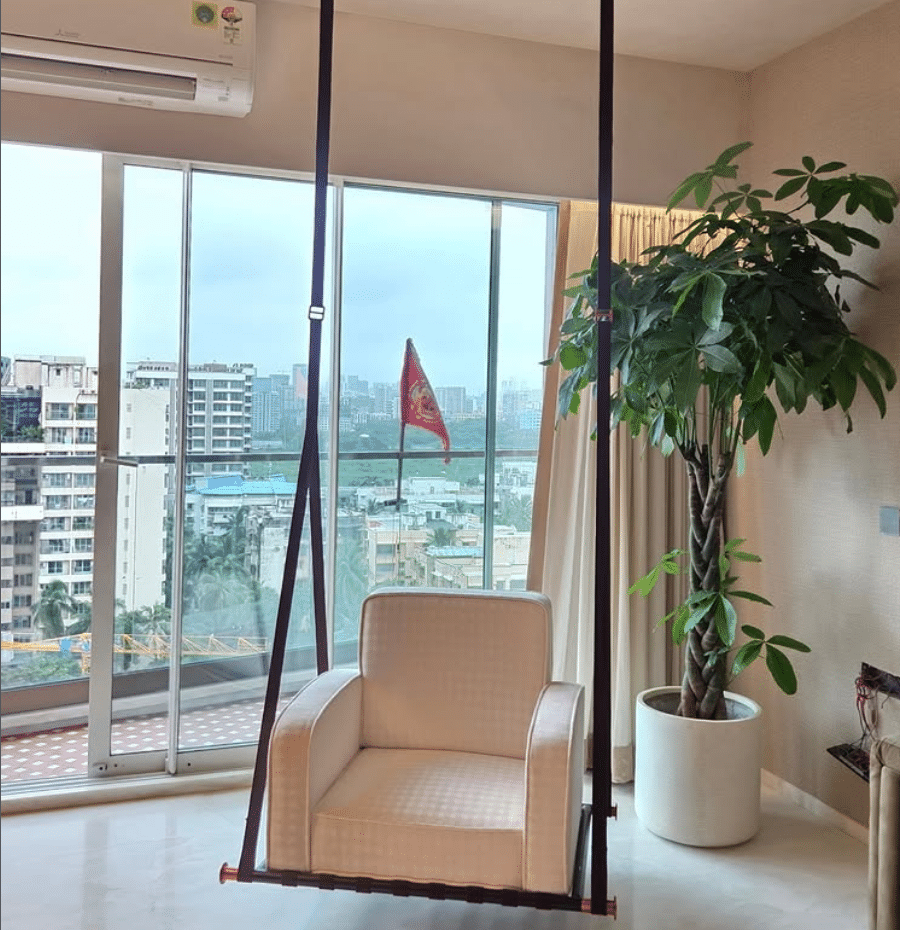
1. Modern Minimal Plant Decor
Keep shapes clean and the palette simple.
Use sleek pots in black, white, gray or concrete finishes.
Choose sculptural plants like snake plant, zz plant and rubber tree.
Place one large plant instead of many small ones in each zone.
Give every plant clear space around it.
Modern rooms look best when nothing feels crowded or fussy.
Add one bold feature, such as a tall fiddle leaf fig.
Let that single statement plant carry most of the drama.
2. Boho And Eclectic Plant Decor
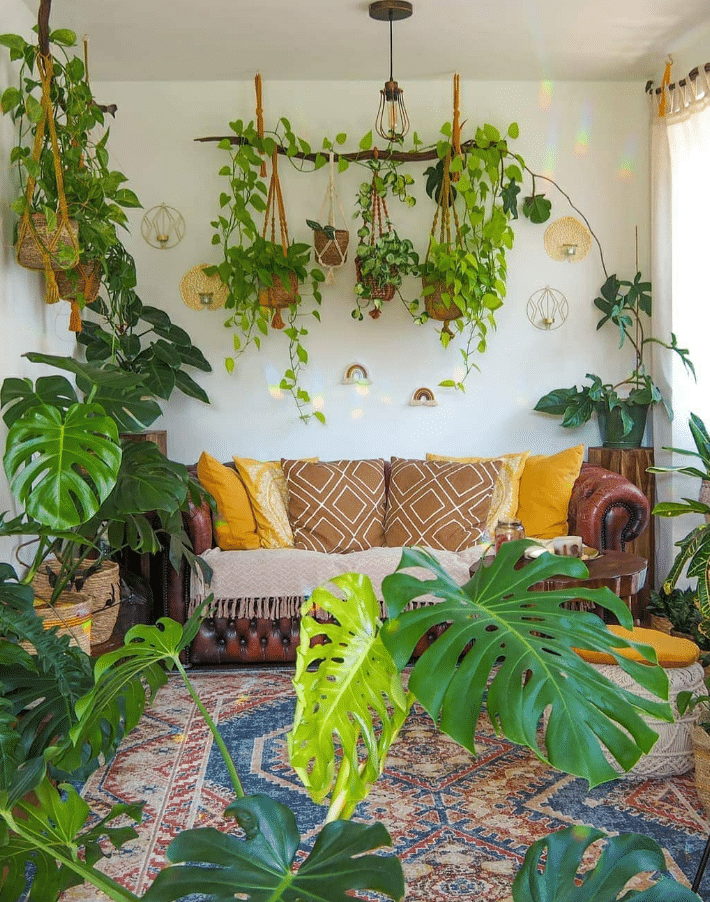
Aim for relaxed, layered and cozy.
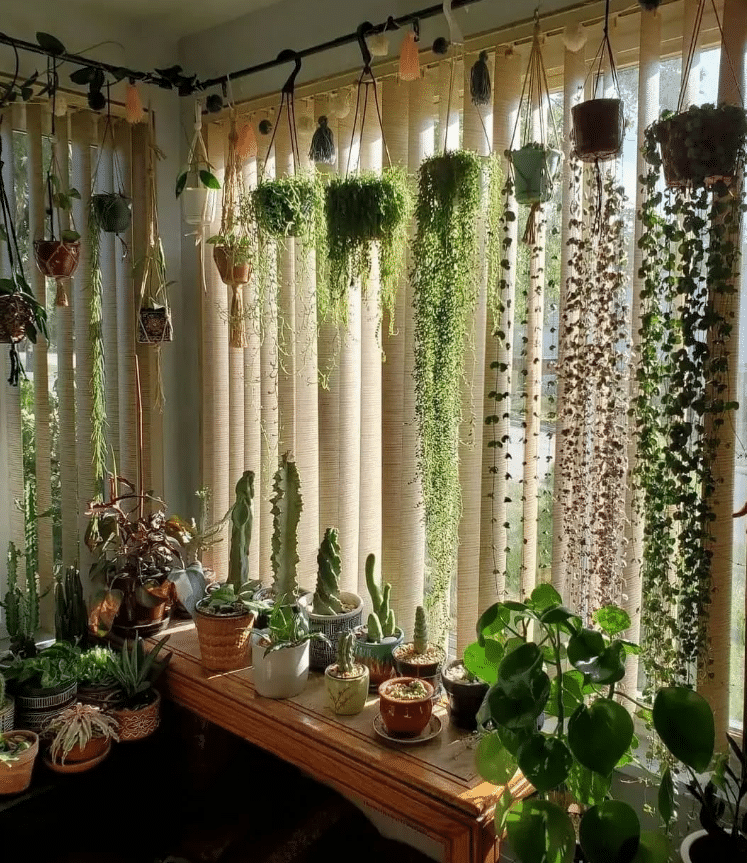
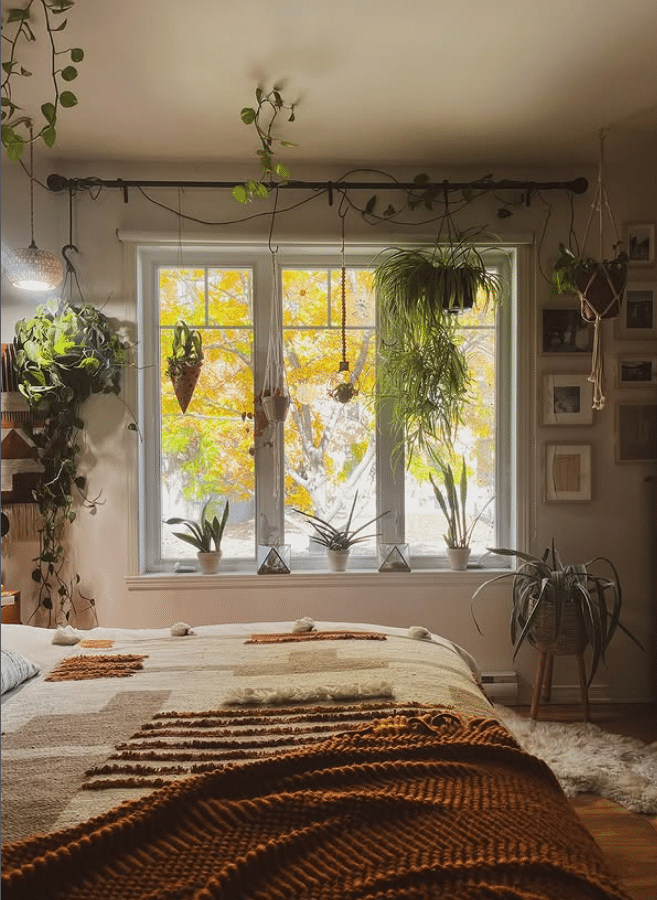
Mix hanging plants, floor plants and trailing vines at different heights.
Use woven baskets, macrame hangers and colorful glazed pots together.
Let textiles, rugs and pillows repeat some of the pot colors.
Choose plants with interesting leaves, such as monstera, philodendron and ferns.
Group them closely for a lush, collected look.
Edit occasionally so the room stays inviting.
You want abundance, not a cramped jungle you cannot clean.
3. Scandinavian Inspired Plant Decor
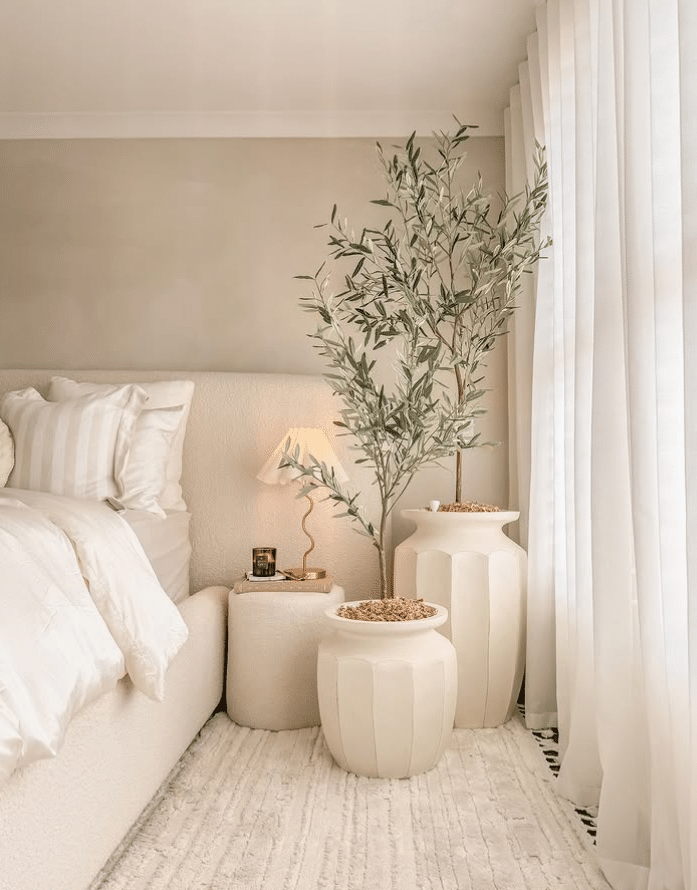
Keep the overall feel light, airy and calm.
Use white walls, pale woods and simple, soft textiles.
Choose terracotta and white pots with one gentle accent color.
Dusty green, soft blue or warm beige all work well.
Pick plants with rounded or delicate shapes, like pilea, ferns and trailing ivy.
Avoid heavy, dark containers that weigh the room down.
Space plants out more than in boho style.
Let negative space and daylight share the stage with greenery.
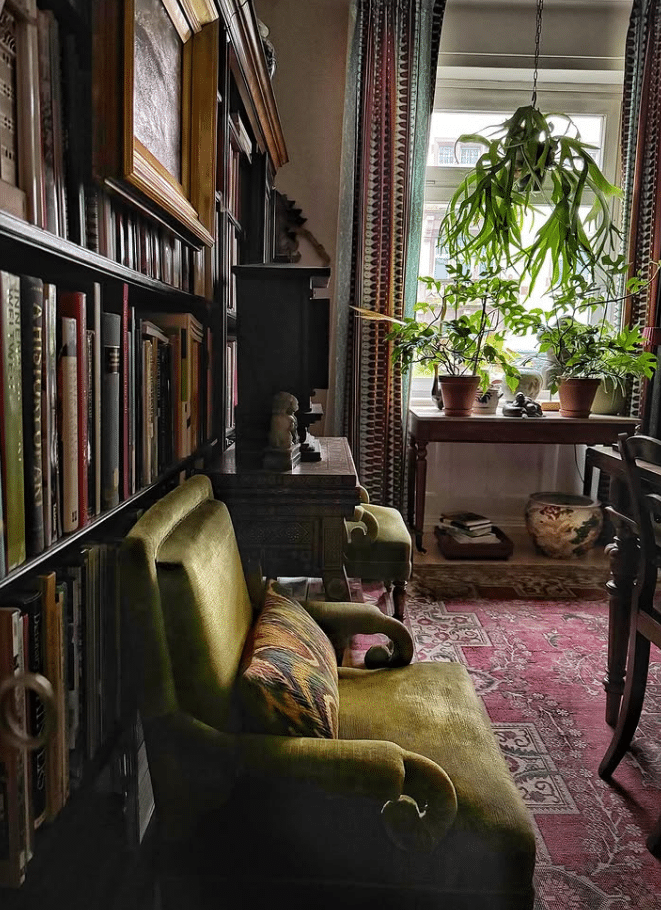
4. Cottage And Vintage Plant Decor
Lean into charm and a lived in feeling.
Mix flowering houseplants with classic foliage like ivy and geraniums.
Use vintage vessels, crockery, teacups and painted stands as plant homes.
Layer plants with books, candles and framed photos on tables.
Let some leaves trail over shelves and cabinet edges.
This softens furniture and creates a romantic, collected look.
Keep colors warm and varied, not perfectly matched.
Repeat a few tones to avoid a cluttered, flea market feeling.
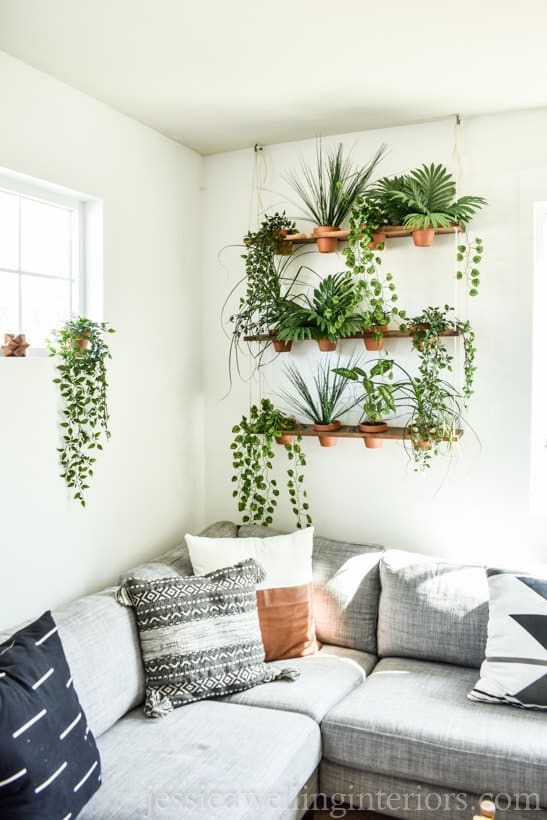
Shelves, Mantels And Walls, Vertical Plant Decor
When floor space feels tight, move your greenery up.
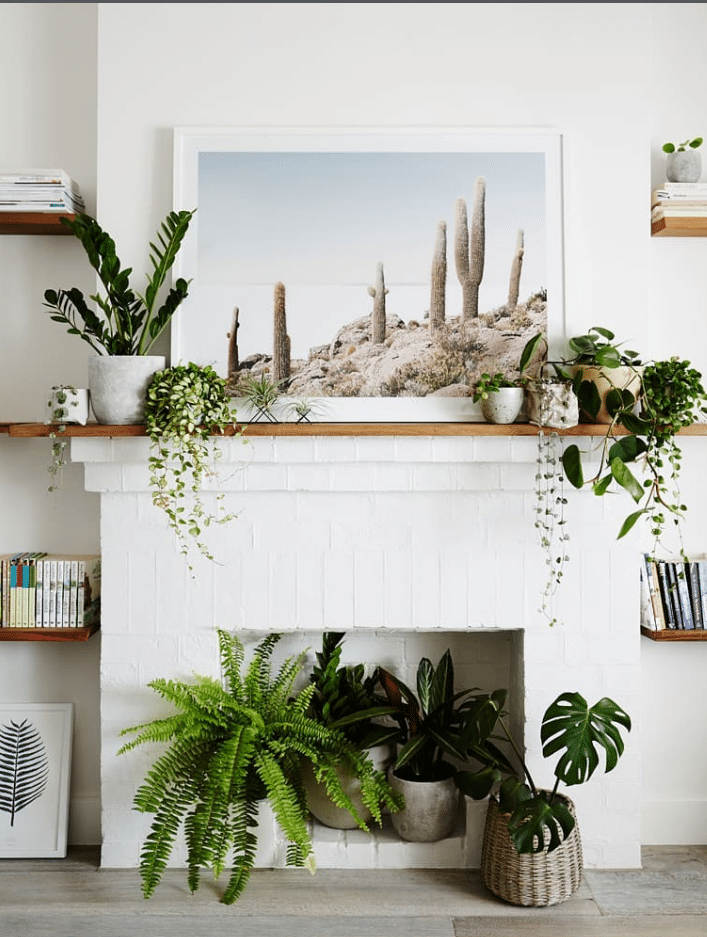
Shelves, mantels and walls turn unused vertical space into plant displays.