
How to Cook a Prime Rib Roast in the Oven ( Step by Step )
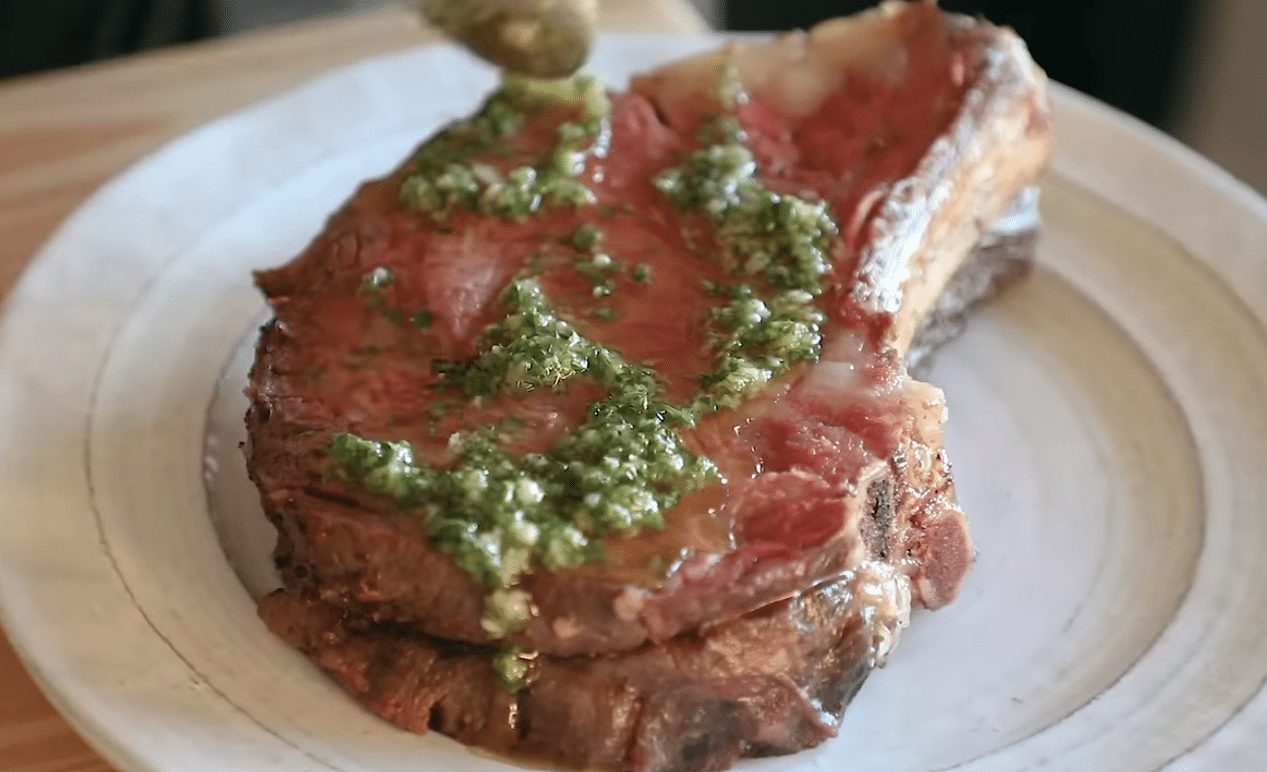
For most people, Prime rib feels fancy, but worry not, with this recipe, the oven does most of the work. All you need is the right method and a thermometer. In this recipe, I used the reverse sear approach, which cooks the roast low and slow first, then finishes hot for a deep, crisp crust. It gives the prime rib a more even, perfectly pink center and fewer dry edges.
This prime rib is perfect centerpiece when you have guests around. Big enough to impress, yet easy to cook for a crowd and guaranteed to impress . Think easter dinner, or any other special holiday dinner when you have family around.
In this guide, I will walk you through the full game plan, from choosing your roast to carving clean slices.

How to cook a prime rib roast in the oven (reverse sear method)
- 10-12 lb bone-in rib roast,
- 3 Tbsp (25g) kosher salt
- Freshly ground black pepper, to taste
- Finely chopped 2 bunches rosemary plus 2 sprigs,
- 1 bunch thyme
- 2 heads of garlic, cut lengthwise
- 5 bay leaves
- Peel of 1-2 lemons
- 4 Tbsp (60ml) of extra virgin olive oil plus, more as needed,
- 3 cloves garlic, finely chopped
- 1 tablespoon (15g) whole grain mustard
Chimichurri:
- 1 lemon, zested
- Finely chopped ½ bunch flat leaf parsley
- Finely grated 4 cloves garlic,
- ⅓ cup (78ml) extra-virgin olive oil
- Flakey sea salt, to taste
When choosing your rib roast, Look for lots of white marbling through the meat, that is what keeps it juicy and rich. Choose the thickets you can get, the fat not only adds flavour but also provides insulation. Make sure to go for a Bone-in prime rib it feels classic and impressive, the bones act like a built in rack.
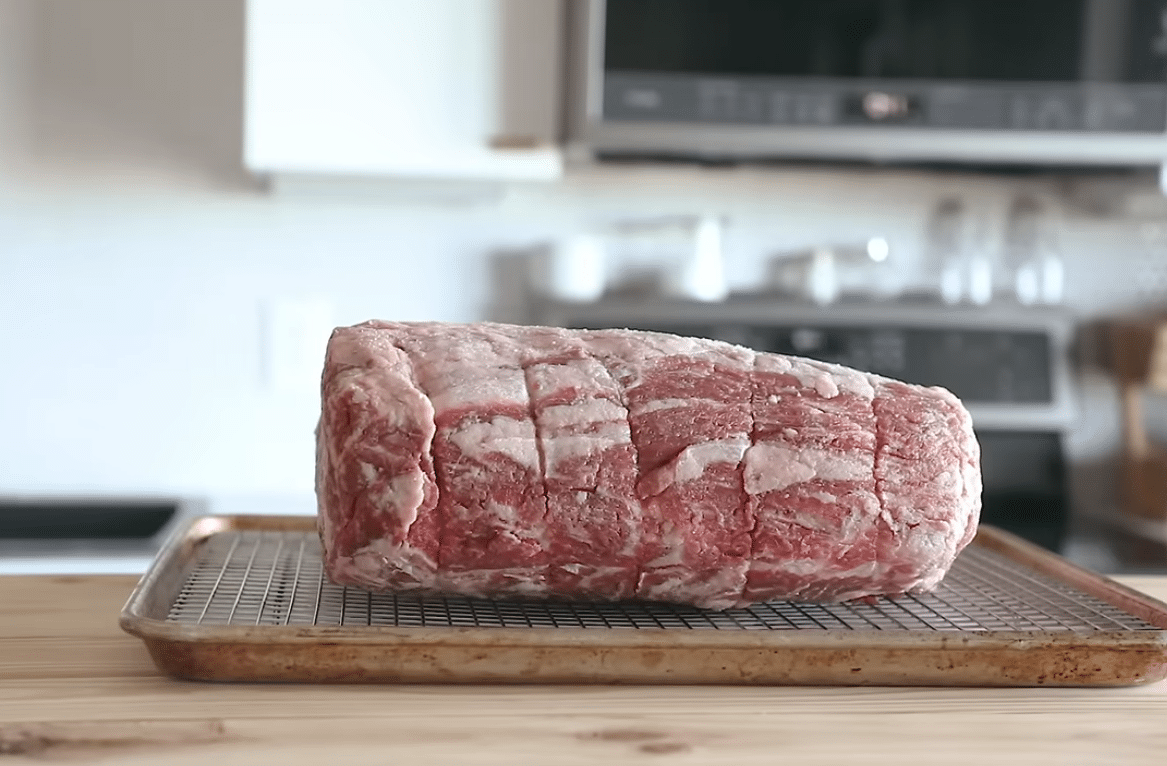
1. Dry brine 24 to 48 hours for deeper flavor
-
Pat the roast dry, then season generously with kosher salt on all sides.
-
Set it on a rack over a sheet pan, refrigerate uncovered for 24 to 48 hours.
-
This step seasons the meat beyond the surface allowing the salt to penetrate deep into the center and it also dries the exterior for better browning later.
-
Tie the roast snugly between each bone (or every 1 to 1.5 inches for boneless).
-
Trussing helps the roast hold a uniform shape, which helps the center cook more evenly.
2. Take the roast out of the fridge before it goes in the oven
-
Pull the roast out 2 to 3 hours before roasting.
-
You are not trying to fully warm it, you just want to blunt the fridge cold so the outside does not race ahead of the center.
- This makes a huge difference in the final result and you don’t want to miss it.
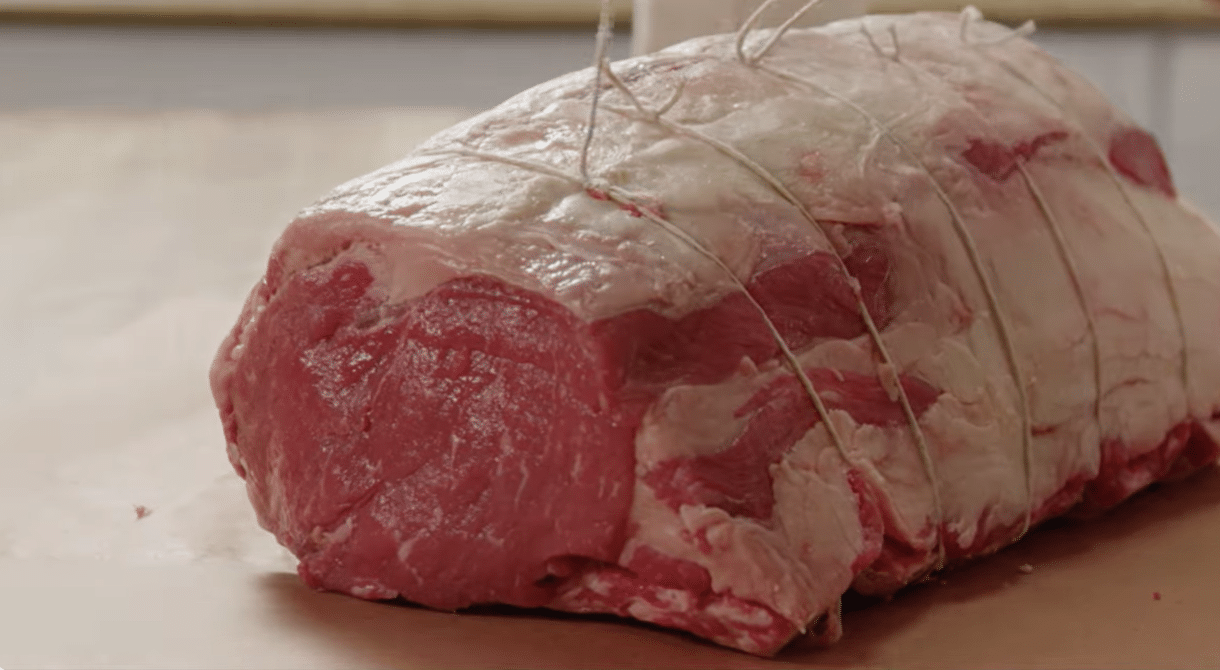
3. Tie with a butcher’s twine to maintain shape and help the roast cook evenly
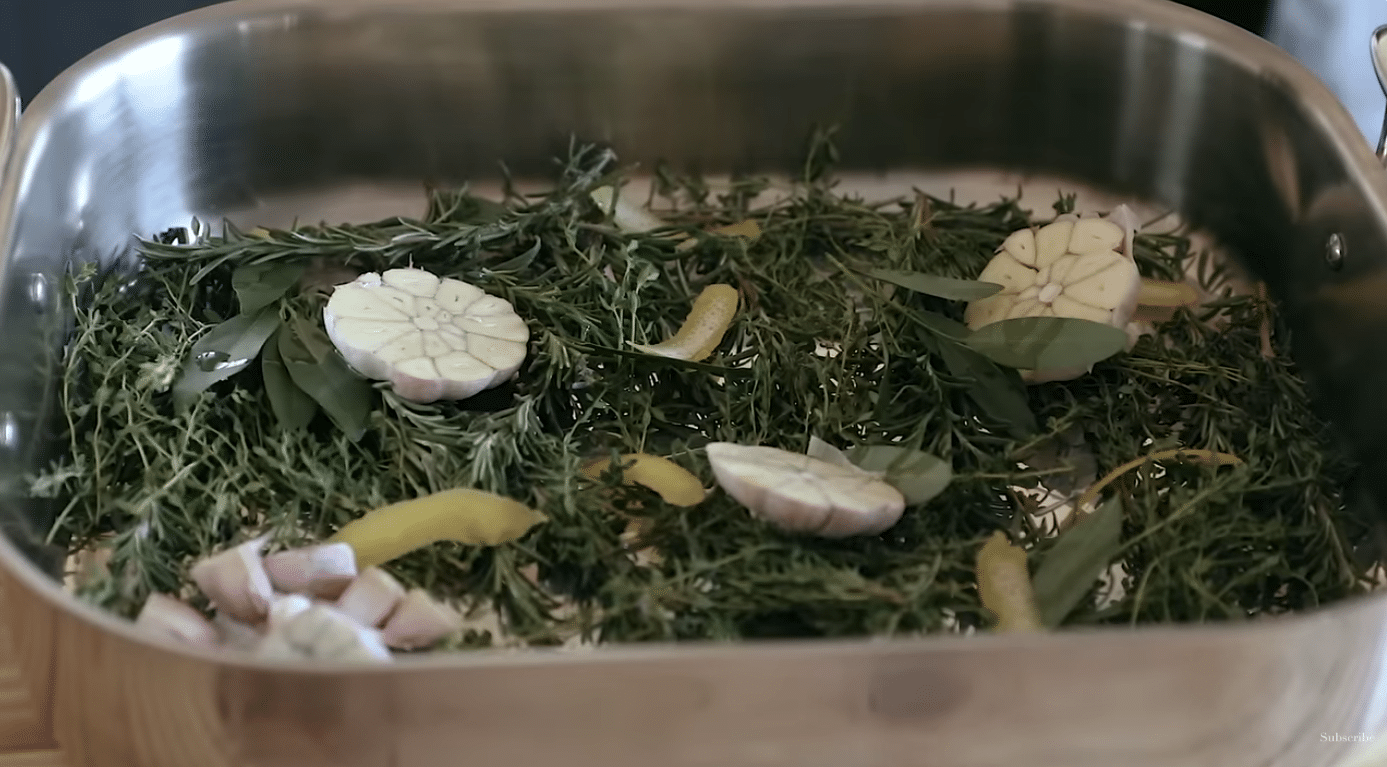
3. Build a flavor base in the pan
-
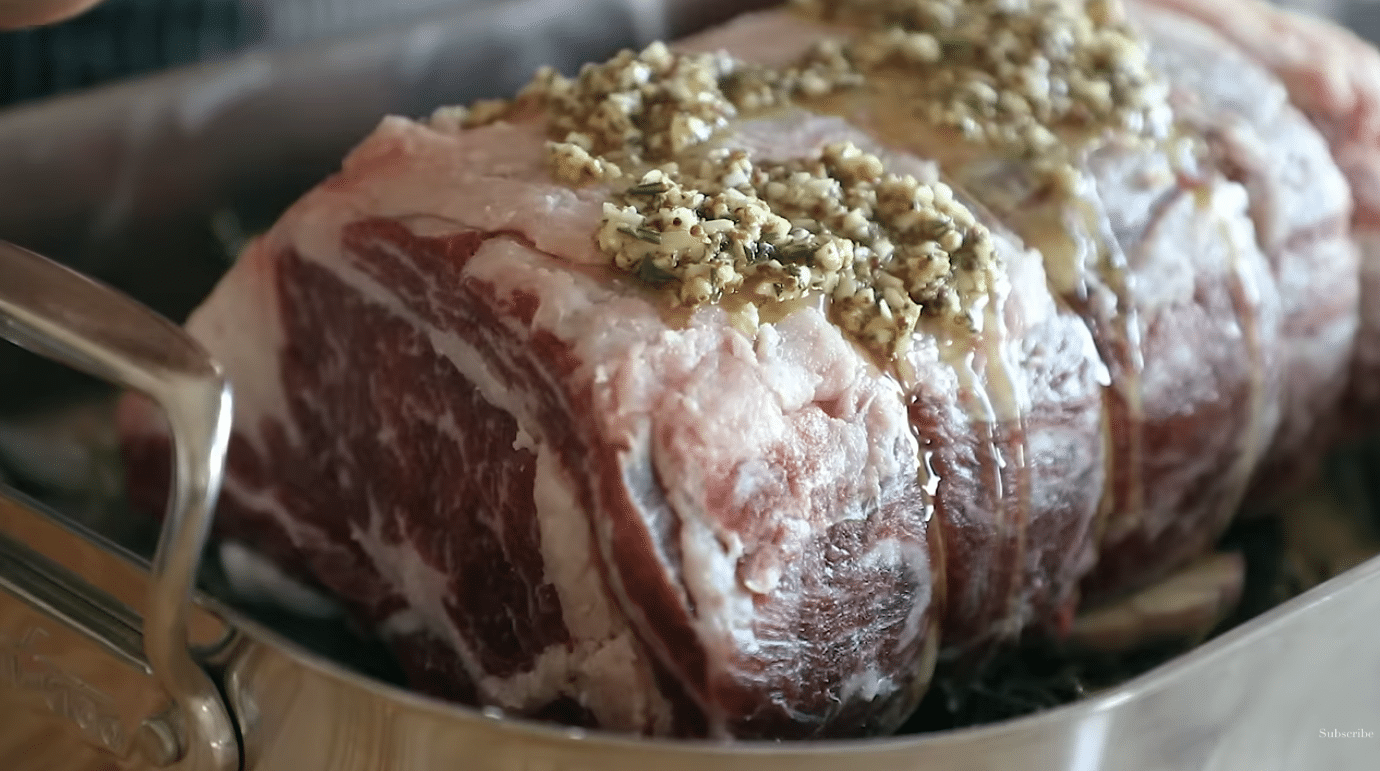
To build flavor we are going to start with a bed of aromatics to the roasting pan think; rosemary, thyme, halved garlic, bay leaves, and lemon peel.
-
Drizzle with a little olive oil so they actually cook and not dry out.
-
This keeps the roast lifted and makes the pan juices taste more like a holiday roast dinner.
4. Rub the fat cap right before roasting
-
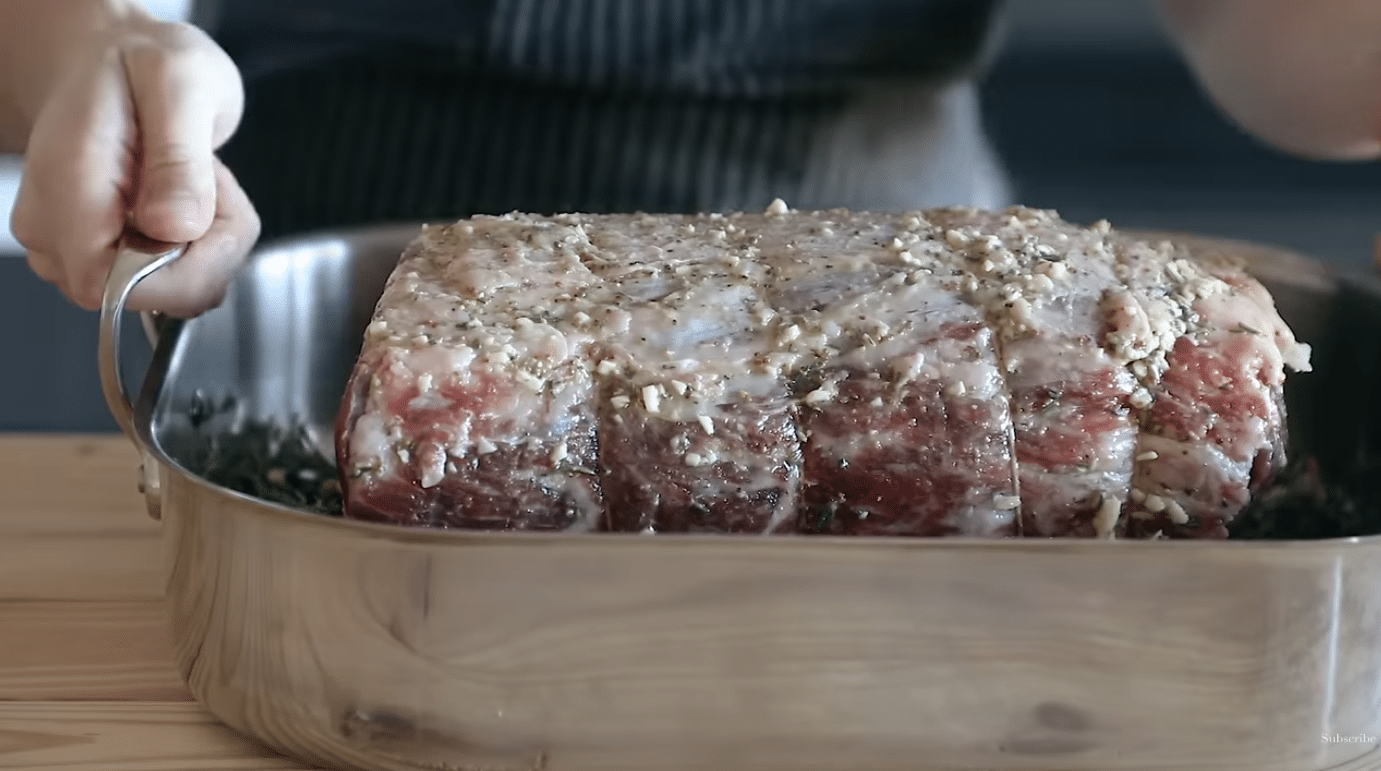
Mix a simple paste of whole grain mustard, chopped rosemary, chopped garlic, and olive oil.
-
Rub it over the fat cap only, keep the sides mostly salt and pepper for clean beefy flavor.
-
If your fat cap is very thick, score it lightly in a crosshatch so the rub clings and renders better (do not cut into the meat).
5. Set up the roast and thermometer
-
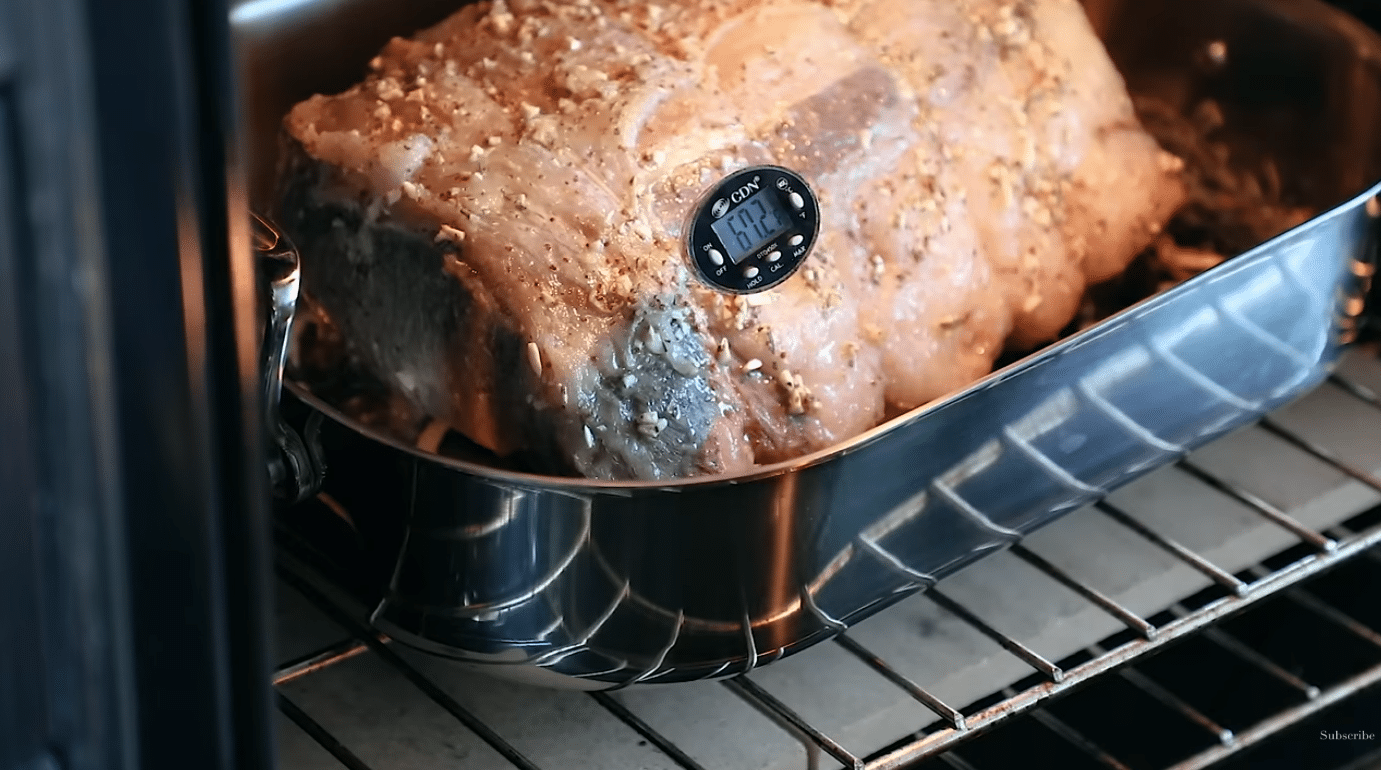
Heat the oven to 250°F (120°C) to preheat.
-
Place the roast bone side down in the roasting pan (or on a rack if boneless).
-
Insert a probe thermometer into the center of the thickest part, avoid touching bone or fat pockets. Cooking to temperature gives you the best control.
6. Slow roast until your target temperature
-
Roast at 250°F for a 12 lb roast this takes approximately 3 hours until the center reaches your pull temperature.
-
The goal is to achieve an internal temperature of about 118°F (47°C) before we can remove from the oven and let it rest for atleast 30 minutes or upto 1hr and 30minutes , then finishes with high heat.
- At this point the roast doesn’t have a lot of color but not to worry, we’re using the reverse sear method here.
-
Use the clock only as a rough guide. A 250°F roast can take several hours depending on size and starting temp.
Quick notes:
-
If the roast browns too early, your oven may run hot, verify with an oven thermometer and lower the temp a bit.
-
If the roast cooks slower than expected, stay calm and keep going, the low temp keeps things forgiving.
7. Blast heat for the crust
-
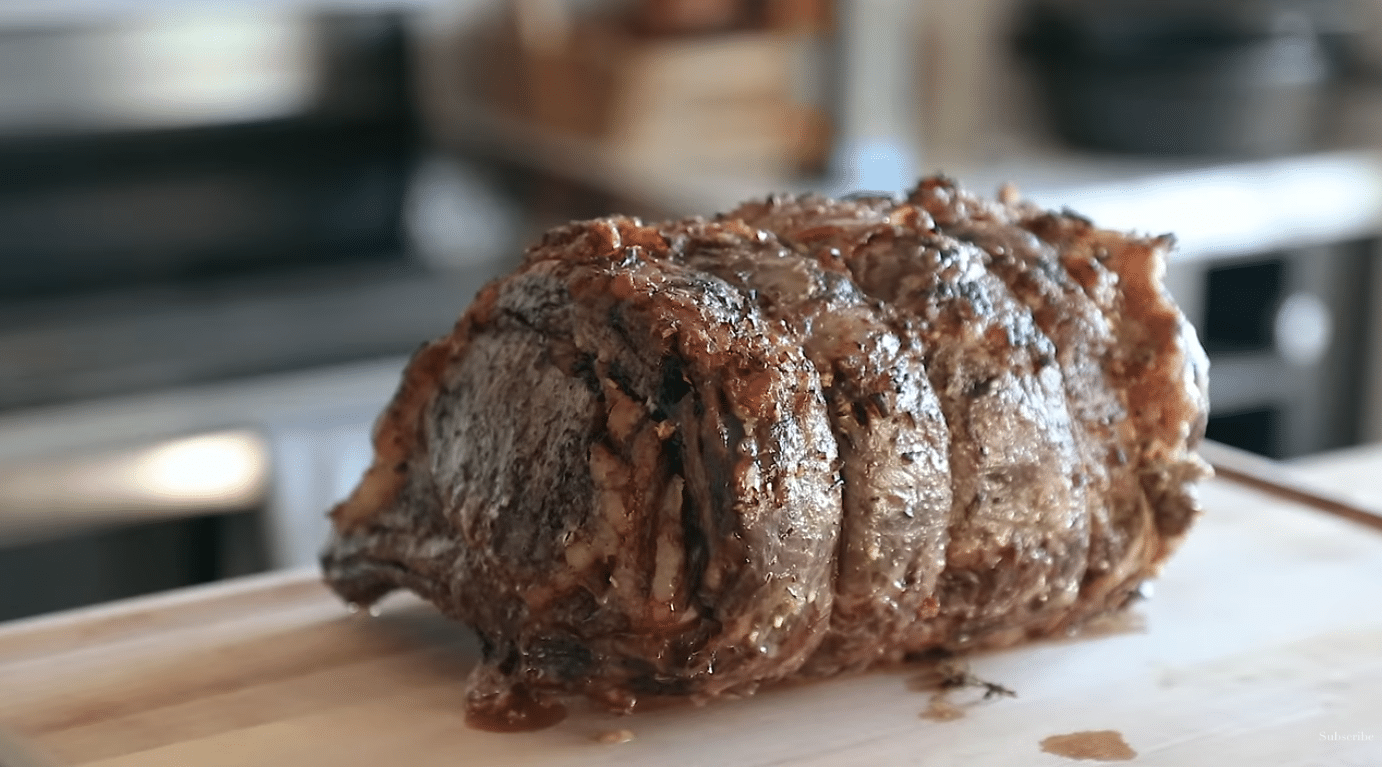
While the roast is resting, crank the temperature up to 500°F (260°C).
-
Return the roast to the oven for a short finish, about 10 to 15 minutes, just until the exterior looks deeply browned.
-
Keep an eye on it, ovens brown differently at that temperature and it won’t take very long.
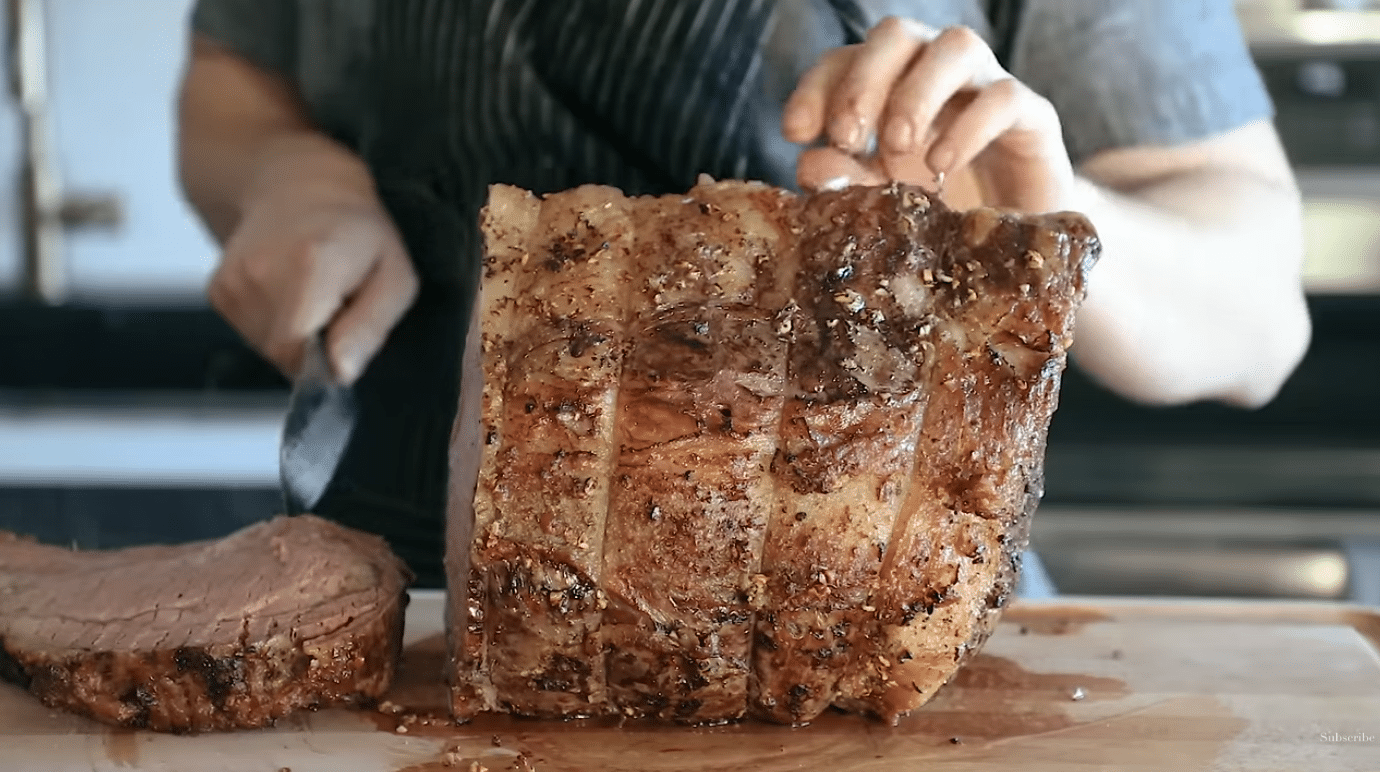
8. Carve and serve
- Once browned, you’re down, the roast is now easy to slice and serve
-
For bone in, slice along the bones to remove them in one piece, then slice the roast into thick portions.
-
Slice across the grain for tender bites, aim for 1/2 to 1 inch slices for that steakhouse feel.
- If you’re serving a large group of people, cut along the bone to remove it so that you can cut thinner pieces of steak, as a prime rib can go a long well.
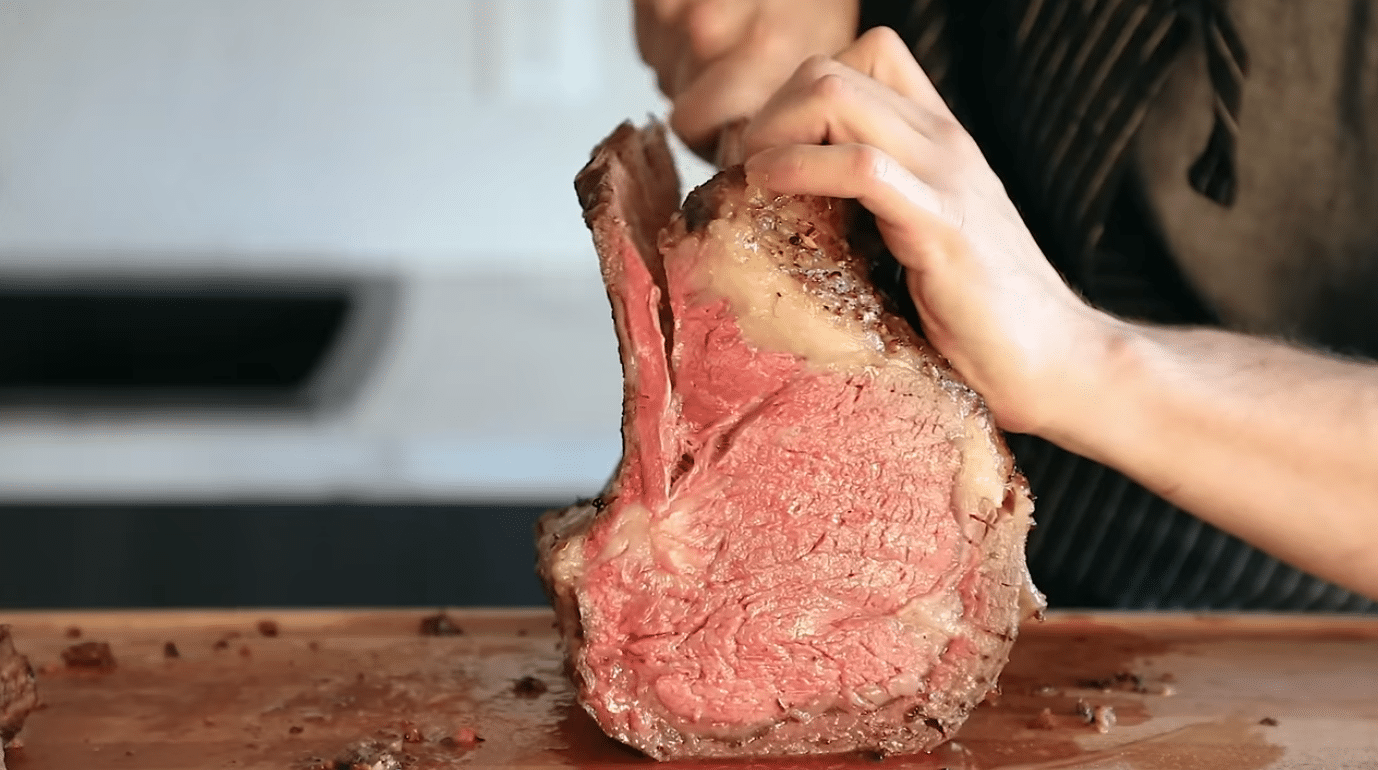
Prime rib temperature guide
-
Prime rib turns out best when you cook to internal temperature, not time per pound.
-
Use an oven probe if you have one, then confirm with an instant read near the end.
-
Insert the probe into the thickest center section.
-
Keep the tip away from bone and fat seams as both can skew readings.
-
If the roast is bone in, angle the probe from the side to land in the center meat.
Doneness targets for reverse sear style
These targets assume you slow roast first, rest, then do the high heat finish.
-
Rare leaning medium rare; Pull from the low oven at about 118°F (47°C), rest, then finish hot for crust.
-
Classic medium rare; Pull from the low oven at 120 to 125°F (49 to 52°C), rest, then finish hot.
-
Medium; Pull from the low oven around 135°F (57°C) for a medium to medium well range (this is the Serious Eats reference point).
Carryover heat, why resting changes the final result
-
Remember, big roasts keep rising in temperature while they rest, that is normal.
-
Resting also gives the juices time to settle, so you lose less on the cutting board.
How to Cook a Prime Rib Roast in the Oven ( Step by Step )
Ingredients
Method
- Pat the roast dry, then season generously with kosher salt on all sides.
- Set it on a rack over a sheet pan to dry brine and refrigerate uncovered for 24 to 48 hours.
- Pull the roast out 2 to 3 hours before roasting.
- Tie with a butcher's twine to maintain shape and help the roast cook evenly
- To the roasting pan add your aromatic; rosemary, thyme, halved garlic, bay leaves, and lemon peel.
- Drizzle with a little olive oil so they actually cook and not dry out.
- Mix a simple paste of whole grain mustard, chopped rosemary, chopped garlic, and olive oil.
- Rub the paste over the fat cap only, keep the sides mostly salt and pepper for clean beefy flavor.
- If your fat cap is very thick, score it lightly in a crosshatch so the rub clings and renders better (do not cut into the meat).
- Heat the oven to 250°F (120°C) to preheat.
- Place the roast bone side down in the roasting pan (or on a rack if boneless).
- Insert a probe thermometer into the center of the thickest part, avoid touching bone or fat pockets.
- Roast at 250°F for a 12 lb roast this takes approximately 3 hours until the center reaches an internal temperature of about 118°F (47°C)
- Pull from the oven and let it rest for atleast 30 minutes or upto 1hr and 30minutes
- While the roast is resting, crank the temperature up to 500°F (260°C).
- Return the roast to the oven for a short finish, about 10 to 15 minutes, just until the exterior looks deeply browned.
- Once browned, you’re down, the roast is now ready
- Slice, serve and enjoy